Who Is the Youngest US President Ever?
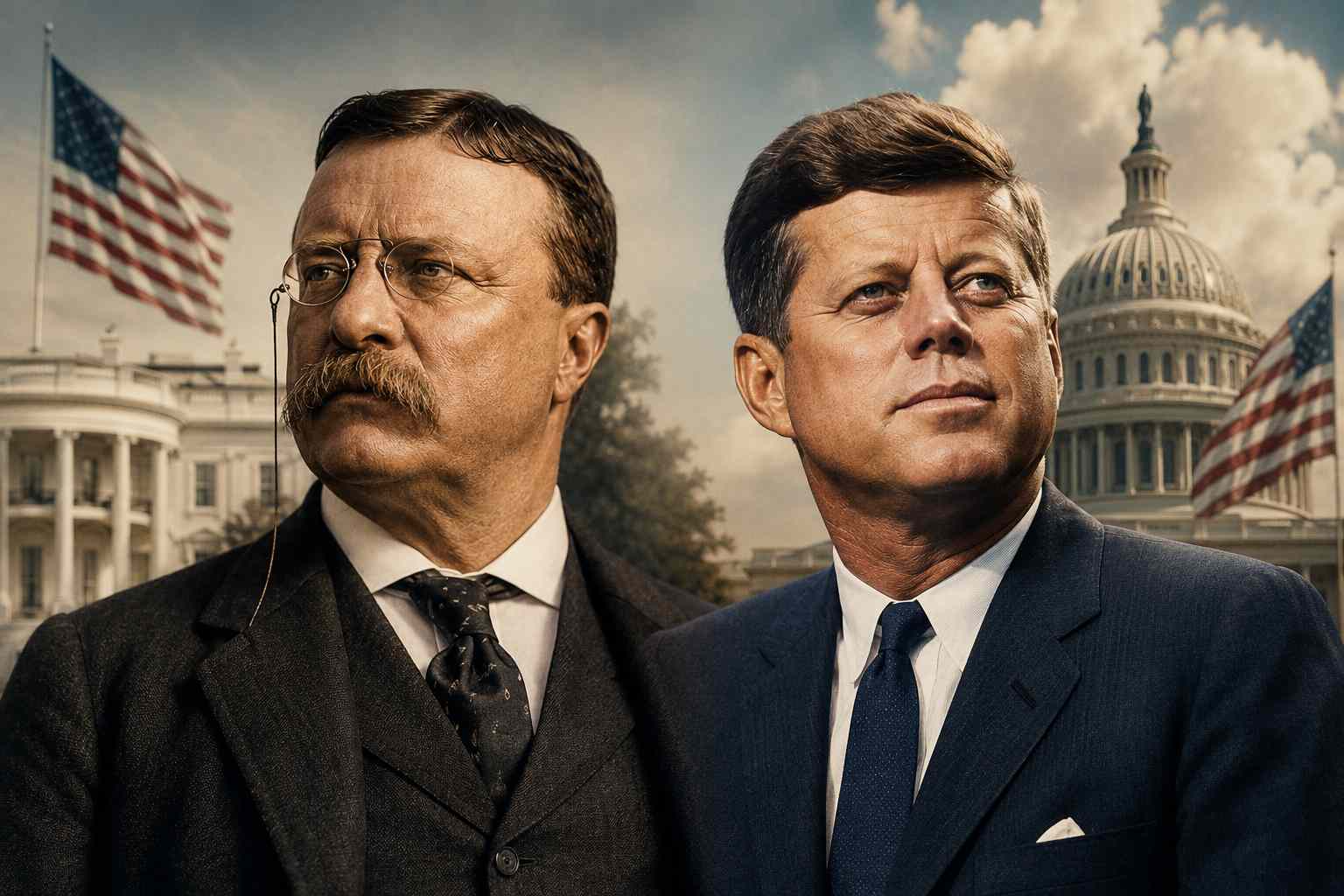
The youngest US president ever is Theodore Roosevelt. Sworn in at 42 years and 322 days old in 1901, right after William McKinley's assassination.
John F. Kennedy holds a different title, youngest ever elected outright, at 43 years and 236 days in 1961.
Roosevelt got there by circumstance; Kennedy got there by winning.
McKinley died on September 14, 1901, from a bullet fired eight days earlier, and Roosevelt, who'd been serving as his vice president, was sworn in that same day in Buffalo, New York.
He was 42 years and 322 days old. Still the youngest anyone's ever held the office. Nine men have taken the job in their forties since Roosevelt. None has come within four years of his number.
Kennedy's record is different in kind, not just in degree.
He beat Richard Nixon in 1960 at 43 years and 236 days old, the youngest US president ever chosen by voters.
Roosevelt inherited the job. Kennedy campaigned for it, debated for it, and won it by a margin of roughly one-tenth of one percent of the popular vote.
That's why serious references split this into two categories instead of forcing one name onto the answer.
The Two Records People Keep Mixing Up
Succession and election aren't the same path to the White House, and conflating them is the single most common mistake in casual writing about presidential ages.
Nine vice presidents have finished out a term after a death or resignation. Roosevelt is the youngest of that group by a wide margin.
Kennedy, meanwhile, stands alone as the youngest person ever elected outright, two different structural events, not competing versions of one record.
Where does the confusion actually come from?
Simple: people want one name, one number. And Roosevelt's "42" tends to sit lower on the page than Kennedy's more iconic inauguration photos. A search result showing only one of the two figures isn't wrong exactly, it's just incomplete. The honest answer is both men, for two different reasons.
Theodore Roosevelt: The Youngest to Ever Hold the Office
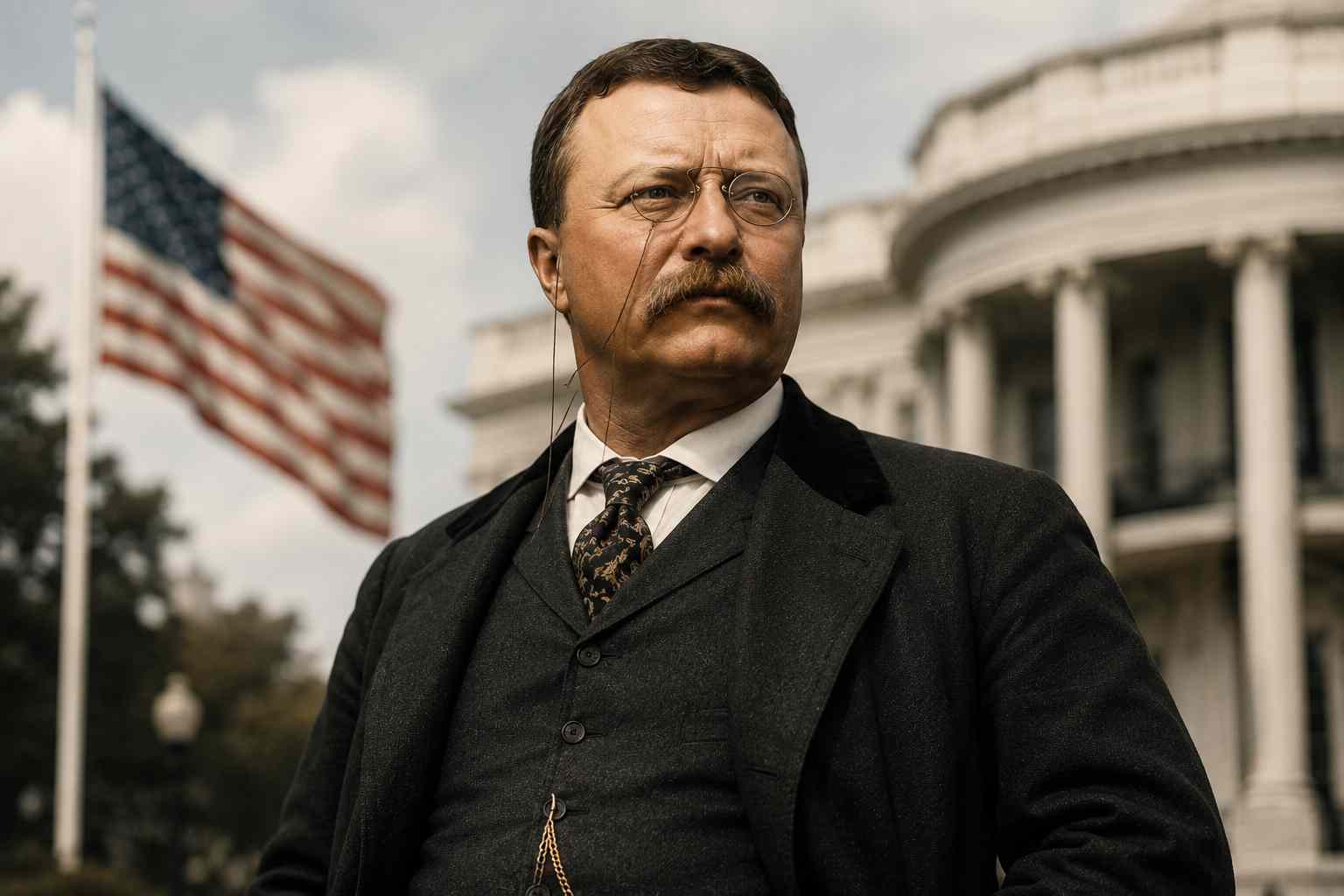
Roosevelt had already lived several careers by 42. He ran in the Dakota Territory, led the Rough Riders up Kettle Hill during the Spanish-American War, served as New York's governor, and was placed on McKinley's 1900 ticket by party bosses who actually wanted him sidelined. That plan backfired within a year.
His presidency reshaped the office. Five national parks. Around 230 million acres of public land are protected.
He won the Nobel Peace Price, for ending the Russo-Japanese War, brokered the Treaty of Portsmouth,and pushed federal power over corporations further than any predecessor had dared.
He won a full term of his own in 1904, then left office in 1909, still short of his fifty-first birthday. That record for youngest US president ever has now been held for more than 120 years. Only nine successors have even landed in the same decade of life, worth sitting with for a second, given how much the country's changed since 1901.
John F. Kennedy: The Youngest President Ever Elected
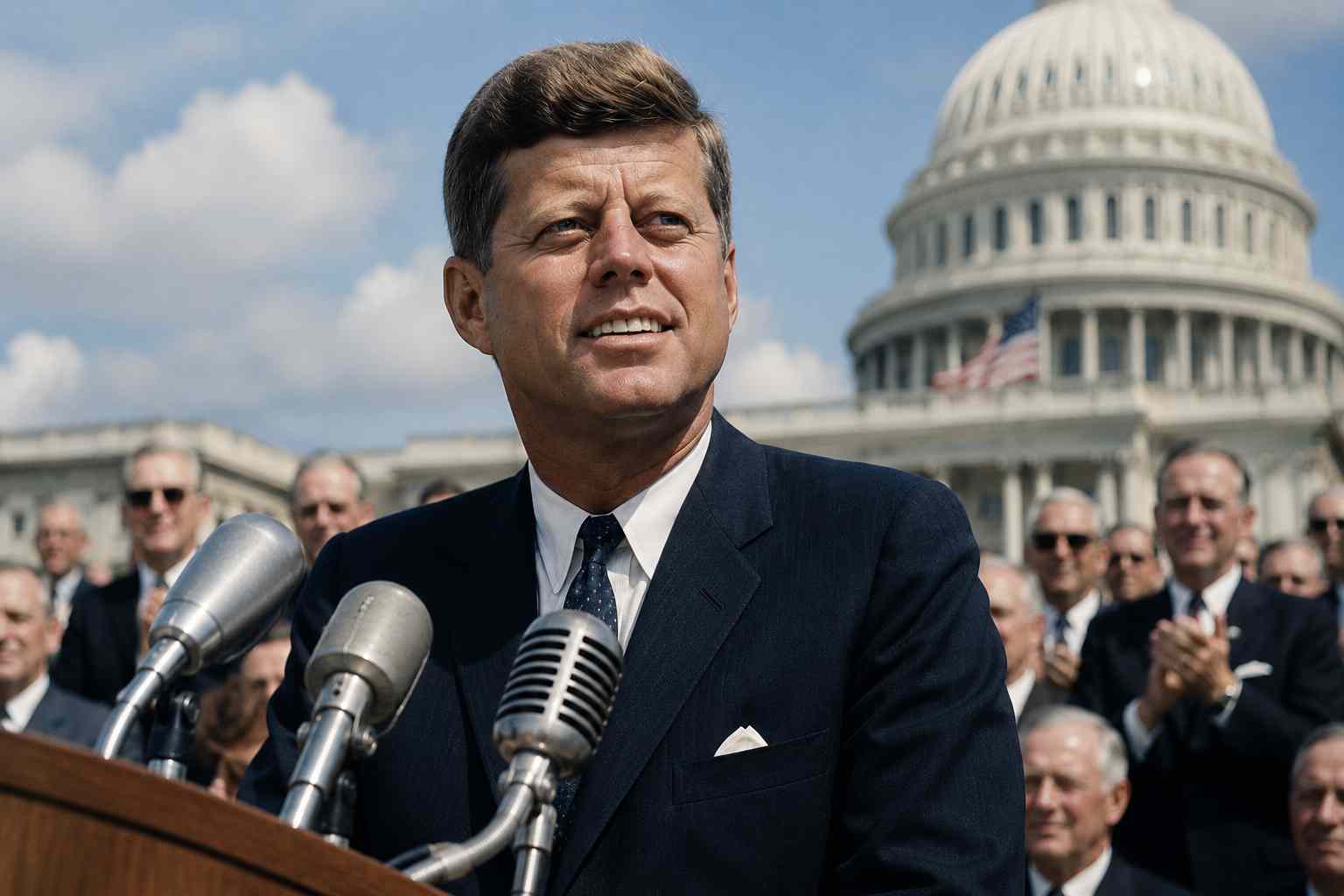
Kennedy's campaign in 1960 leaned into his age instead of hiding it. Kennedy offered something different. He declared that the torch had passed to a new generation of Americans. Whereas Nixon offered to continue with the administration of Eisenhower. Voters made their choice by one of the slimmest margins in U.S. presidential history.
He worked on many projects, including the Peace Corps and the Apollo Program towards the moon. At the age of 45, he guided through the Cuban Missile Crisis, when the Cold War came closest to direct conflict.
His assassination in Dallas on November 22, 1963, at age 46, made him both the youngest US president ever elected and the youngest to die in office. A grim second record, tied to how his term ended rather than how it began.
The Ten Youngest US Presidents by Age at Inauguration
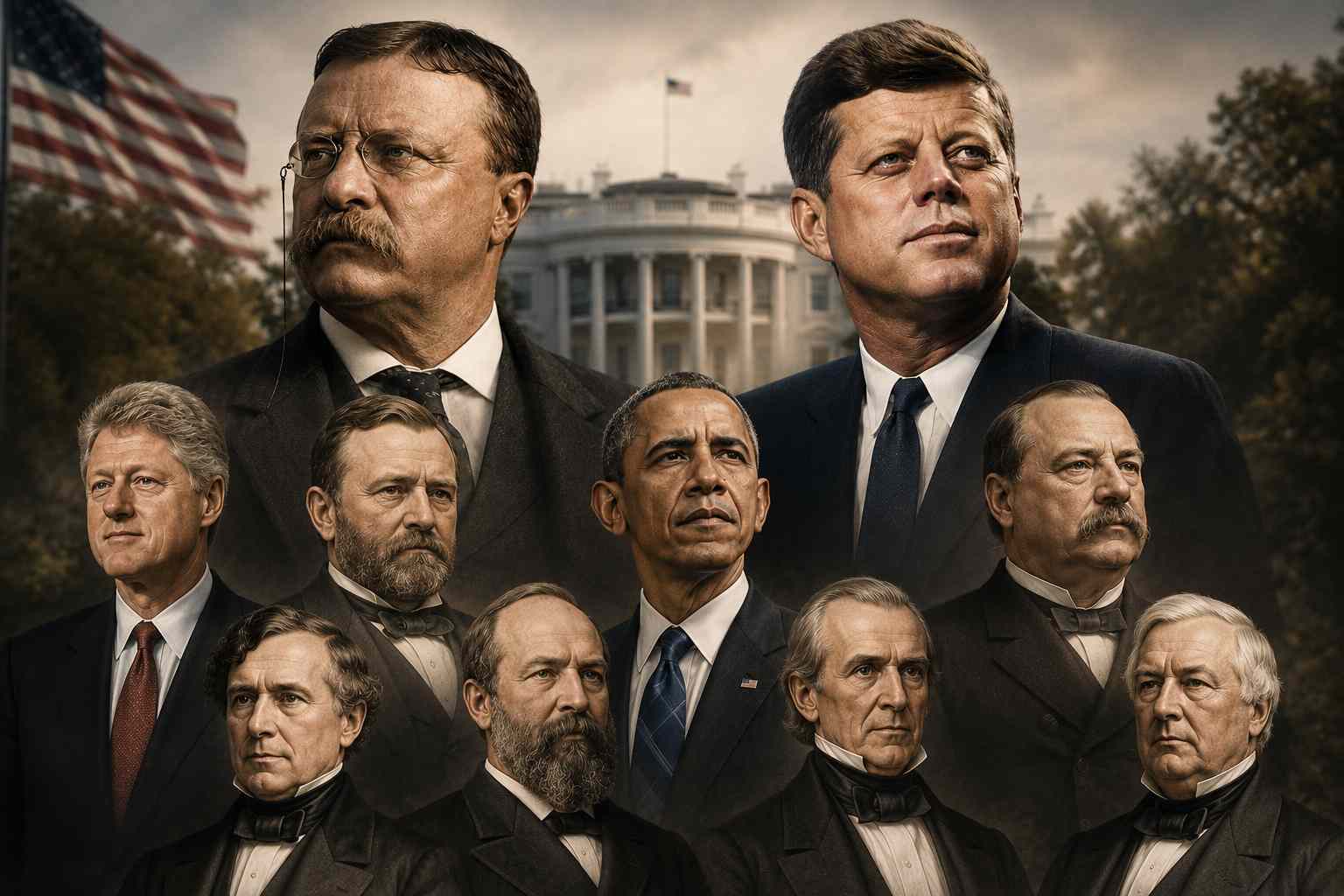
Line up the full list and it's striking how isolated Roosevelt and Kennedy really are. After the two of them, the next six names cluster within a few years of each other in their mid-to-late forties, and the list flattens out fast after that.
Rank
| President
| Age at Inauguration
| Path to Office
|
|---|
1 | Theodore Roosevelt | 42 years, 322 days | Succession (McKinley's death) |
2 | John F. Kennedy | 43 years, 236 days | Election |
3 | Bill Clinton | 46 years, 154 days | Election |
4 | Ulysses S. Grant | 46 years, 236 days | Election |
5 | Barack Obama | 47 years, 169 days | Election |
6 | Grover Cleveland | 47 years, 351 days | Election |
7 | Franklin Pierce | 48 years, 101 days | Election |
8 | James A. Garfield | 49 years, 105 days | Election |
9 | James K. Polk | 49 years, 122 days | Election |
10 | Millard Fillmore | 50 years, 184 days | Succession (Taylor's death) |
Only nine presidents out of forty-five have taken office in their forties. Not one has ever been in his thirties, despite the constitutional floor sitting well below that range.
Why the Constitution Set the Age Floor at 35
Article II, Section 1 of the US Constitution sets 35 as the minimum age to serve as president, alongside the natural-born-citizen requirement and a fourteen-year residency rule. The framers argued over this number at the Constitutional Convention and landed on 35 as a stand-in for the political maturity they wanted in the role.
Historically, no president has come close to challenging that boundary.
Kennedy, the youngest ever elected, was still eight years past the constitutional minimum on his inauguration day. The gap between the legal floor and the actual record has never once narrowed to single digits. Makes you wonder if 35 was ever a real constraint at all, or just a number nobody's bothered to challenge.
Why American Presidents Keep Getting Older, Not Younger
The trend since Kennedy runs in the opposite direction from what that age-35 floor might suggest.
Donald Trump was 78 years and 7 months old at his second, nonconsecutive inauguration in January 2025, the oldest anyone's ever been sworn into the office, a record he took from Joe Biden after barely four years. The median age at inauguration across all forty-five presidents sits at 55. And the last several presidents have all been inaugurated at 54 or older.
Other democracies haven't followed the same script. Ibrahim Traoré has led Burkina Faso since 2022, in his mid-thirties; Chile and France have both elected heads of state in their thirties within the past two decades.
Political scientists point to the cost of modern campaigns, the seniority-based path through Congress most nominees take, and a primary electorate that skews older than the general population.
None of that changes the actual record, though: the youngest US president ever remains a split decision between a man who inherited the office at 42 and a man who won it at 43, and nothing in the current field suggests either number is moving anytime soon.
Frequently Asked Questions
Who is the youngest US president ever, Roosevelt or Kennedy?
It's a two-way answer. Roosevelt was youngest to hold the office, at 42, after succeeding McKinley. Kennedy was the youngest ever elected to it outright, at 43.
Has any president been younger than 42 at inauguration?
No. Roosevelt's 42 years and 322 days is the record for youngest at inauguration, succession included, and it's stood since 1901 without a serious challenger.
Could a 35-year-old actually become president today?
Constitutionally, yes. Article II sets the floor at 35. No candidate has come within seven years of that age at inauguration, and the nominating process tends to favor older, established candidates.
Who is the youngest person ever to run for president?
Age minimums apply to holding office, not running, so candidates younger than 35 have appeared on state ballots or sought a nomination before. None has won.
Why did presidents get older after Kennedy instead of younger?
Longer campaign cycles, an older primary electorate, and a path that rewards years of prior officeholding all pushed the average age up, culminating in Trump's 2025 inauguration at 78, the oldest ever.