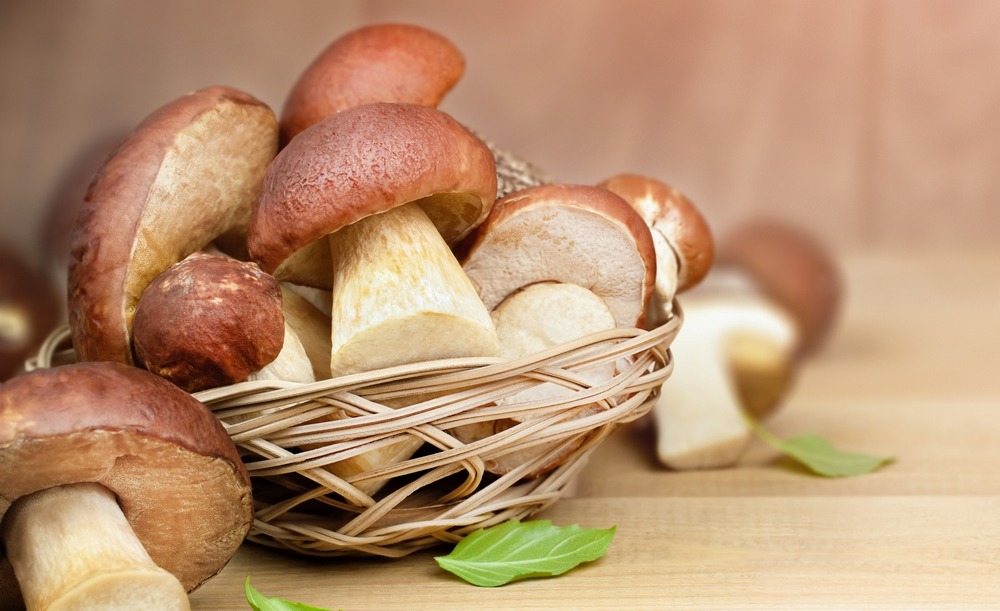
Porcini mushrooms are considered one of the most luxurious and flavorful mushrooms in the culinary world. Known for their deep, earthy aroma and meaty texture, they are a favorite ingredient in Italian, French, and gourmet global cuisines. Whether used fresh, dried, or powdered, porcini mushrooms add a level of richness that transforms simple dishes into restaurant-worthy meals.
They are often called “the king bolete,” highlighting both their superior quality and their long-standing presence in traditional European cooking.
What Are Porcini Mushrooms?
Porcini mushrooms, scientifically known as Boletus edulis, belong to the bolete family. They naturally grow in forests at the base of pine, chestnut, spruce, and fir trees. Their caps are typically brown and smooth with a thick, white stalk and a sponge-like underside instead of gills. These mushrooms thrive in temperate climates and are found in Europe, North America, and parts of Asia. Their availability is seasonal, usually during late summer and autumn, but dried porcini mushrooms can be enjoyed all year. Chefs treasure them for their bold taste, which brings warmth, umami, and a distinct woodland fragrance to dishes.
Health Benefits of Porcini Mushrooms
Besides their culinary fame, porcini mushrooms are highly nutritious. They are rich in protein, dietary fiber, essential amino acids, iron, potassium, selenium, and antioxidants. These nutrients support immunity, improve digestion, and help maintain energy levels. Porcini mushrooms are also low in calories and fat, making them ideal for weight-conscious diets. They contain beta-glucans, compounds linked to improved immune health and reduced inflammation. Their antioxidants help fight oxidative stress and support overall wellness. Because dried porcini mushrooms have concentrated nutrients, they provide even more minerals and fiber per serving. In many cultures, porcini mushrooms are considered not just a gourmet ingredient but also a functional food with medicinal properties.
Common Culinary Uses of Porcini Mushrooms
Porcini mushrooms shine in countless dishes thanks to their deep flavor. Fresh porcini can be sautéed with butter, garlic, and herbs for a simple yet elegant side. They elevate risotto, adding both aroma and richness. In pasta dishes, porcini can be the star ingredient in creamy sauces, tomato-based sauces, or simple olive oil recipes. Dried porcini mushrooms are even more versatile because they can be rehydrated and used like fresh mushrooms, while their soaking liquid becomes a flavorful broth. This broth is perfect for soups, gravies, and slow-cooked dishes.
Fresh vs Dried Porcini Mushrooms
Fresh porcini mushrooms are prized for their soft texture and delicate aroma. They are available only during a short season and can be expensive. When fresh porcini are not accessible, dried porcini mushrooms are an excellent alternative.
The drying process enhances their flavor, turning them into an intensely aromatic ingredient that keeps well for months. To use dried porcini, they are soaked in warm water for about 20 minutes. The rehydrated mushrooms can then be cooked like fresh ones, while the soaking liquid becomes a flavorful stock. This makes dried porcini a staple in many households and restaurants because they offer consistency, convenience, and strong culinary value.
How to Store Porcini Mushrooms?
Fresh porcini mushrooms should be stored in the refrigerator, ideally wrapped in a dry paper towel to absorb moisture. They typically last two to three days. Avoid washing them until just before cooking to prevent sogginess. Dried porcini mushrooms, on the other hand, can be stored in an airtight container in a cool, dark place for months or even years. Keeping them away from humidity ensures they retain their aroma and quality. Some chefs also refrigerate or freeze dried porcini mushrooms for extra longevity. Porcini powder, another popular form, should be sealed tightly to preserve its intense flavor.
Porcini Mushrooms in Italian Cuisine
Italian cooking has a long and deep connection with porcini mushrooms. Known as funghi porcini in Italy, these mushrooms are found in countless traditional recipes from Tuscany, Piedmont, and Umbria. The famous Porcini Risotto, or risotto ai funghi porcini, is a classic dish where the earthy aroma of the mushrooms blends beautifully with creamy arborio rice and Parmesan cheese. Porcini mushrooms also appear in tagliatelle pasta, polenta, lasagna, and various soups.
They are often sautéed in olive oil and served as an appetizer or antipasto. Their importance in Italian cooking comes from both their locally foraged nature and the deep flavors they contribute to rustic meals.
How to Cook Porcini Mushrooms Perfectly?
Cooking porcini mushrooms is simple but requires careful handling to preserve their flavor. Fresh porcini should be cleaned gently with a damp cloth rather than soaked in water. Slicing them evenly helps them cook uniformly. They are best cooked over medium heat to allow their moisture to evaporate while their flavors intensify.
A combination of butter and olive oil brings out their natural richness. Garlic, shallots, and herbs like thyme or parsley complement their earthy taste. Dried porcini mushrooms should be soaked and then added to dishes early so the flavors blend deeply into the recipe. The soaking liquid can be simmered with rice, pasta, or meats to enhance the dish.
Potential Side Effects or Precautions
Porcini mushrooms are safe for most people when cooked properly. However, like all wild mushrooms, they must be correctly identified. Foraged porcini should only be collected by experienced mushroom hunters because poisonous look-alikes exist.
Those with mushroom allergies should avoid consuming them. Eating raw porcini mushrooms is not recommended, as they can be difficult to digest. When buying dried porcini, choosing reputable brands ensures purity and prevents contamination with inedible mushroom parts.
Final Thoughts
Porcini mushrooms are a culinary treasure, known for their bold flavor, nutritional value, and versatility in cooking. Whether enjoyed fresh, dried, or powdered, they elevate dishes with their distinctive earthiness. From iconic Italian recipes to modern gourmet meals, porcini mushrooms add depth and richness that few other ingredients can match.
Their health benefits make them even more valuable, supporting digestion, immunity, and overall wellness. If you’re looking to enhance your cooking with a luxurious yet natural ingredient, porcini mushrooms are an excellent choice worth exploring.
Frequently Asked Questions (FAQs)
1. What do porcini mushrooms taste like?
Porcini mushrooms have a strong, earthy, nutty, slightly smoky flavor with a deep umami richness. Their meaty texture makes them perfect for hearty dishes.
2. How do I use dried porcini mushrooms?
Soak them in warm water for 20 minutes, cook the rehydrated mushrooms as usual, and use the soaking liquid as a flavorful broth.
3. Are porcini mushrooms expensive?
Yes, porcini mushrooms are considered premium and can be costly, especially fresh ones, due to their short season. Dried porcini are more affordable and last longer, making them a budget-friendly option for rich flavor