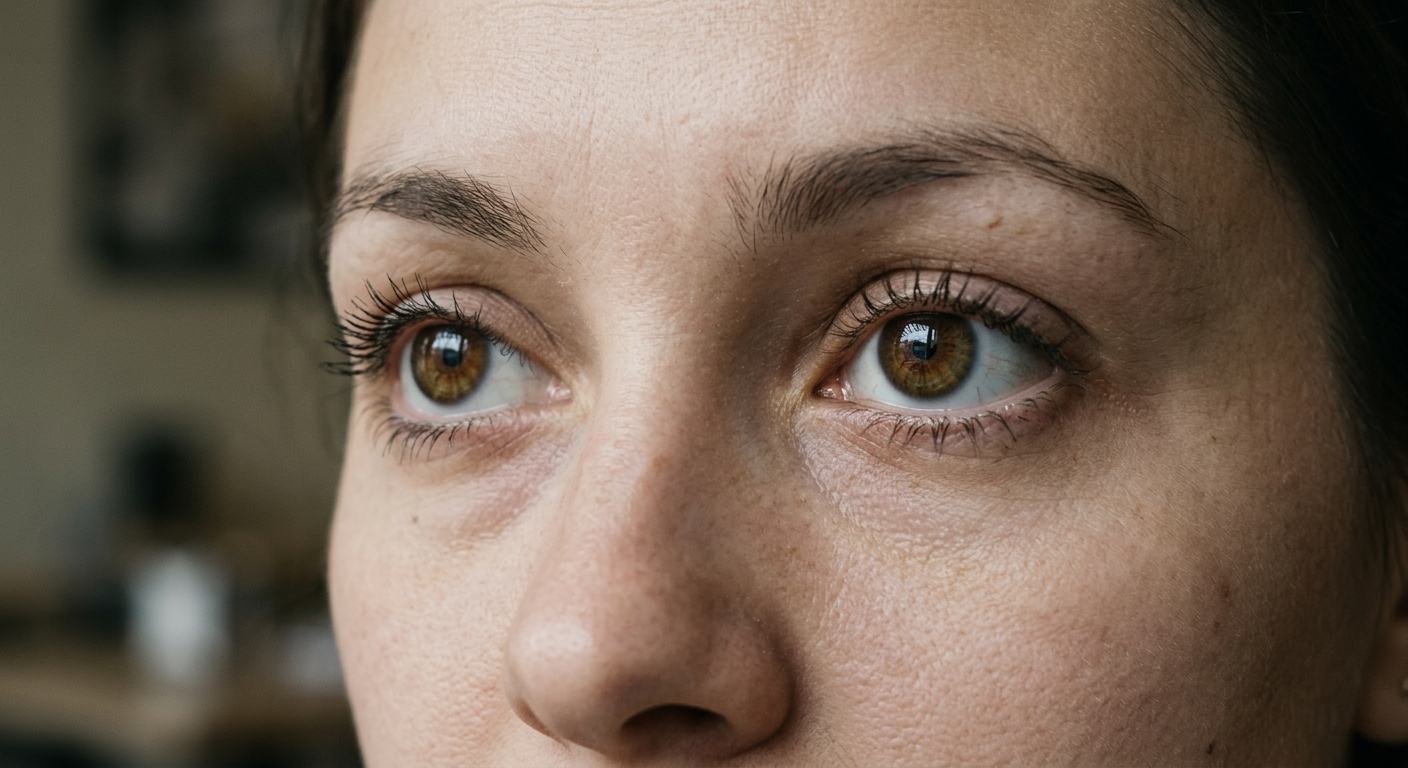
What Are Sanpaku Eyes?
Sanpaku eyes are usually characterized by the fact that the white part of the eye (sclera) is seen above or below the iris. The iris usually touches the upper eyelid and the lower eyelid, leaving very little or no white showing. But this balance is broken in sanpaku eyes.
The sanpaku is a Japanese word that translates to three whites. It explains the appearance of three parts of white visualized around the iris rather than the two.
There are two main types:
Yin Sanpoku: Below the iris, there is the white.
Yang Sanpaku: above the iris, white is visible.
Both of them have been linked to various interpretations, which include health issues and personalities.
Types of Sanpaku Eyes
1. Yin Sanpaku (White Under the Iris)
This is the most common type. Here, the white area under the iris can be seen as the lower part of the eye.
Conventionally, Yin sanpaku is said to be a signifier of:
- Physical imbalance
- Fatigue or exhaustion
- Unhealthy eating or living behavior.
In the present day, this can be a result of natural eye shape, old age, or even temporary conditions such as insomnia.
2. Yang Sanpaku (White Above the Iris).
It is a less common type and can be viewed as more intense in the conventional sense.
It is assumed to be associated with:
- Emotional instability
- Aggression, or impulsivity.
- Mental stress
But post-scientifically, it may be caused by some medical conditions, stress, or muscle tension on the face.
Early History of the Sanpaku Concept
Sanpaku eyes were made popular in Japanese philosophy, especially through the ideas of macrobiotics. Popularized in the 20 th century, it serves to explain the physical and emotional condition of a person using their eyes.
There were historical beliefs that individuals with sanpaku eyes had elevated chances of encountering bad luck or had a tough time in life. Although the idea became noticeable, one should realize that these are cultural interpretations, but not facts.
Causes of Sanpaku Eyes
Sanpaku eyes do not necessarily have a health complication. In most instances, they are merely a natural variation in the shape of the eyes. Nevertheless, they can be brought up by several reasons.
1. Natural Anatomy
There are individuals who are born with more sclera in their natural eye shapes. This is quite natural and has nothing to fear.
2. Aging
With age, the skin surrounding the eyes becomes less elastic. This may result in the lower eyelid dropping down a notch, showing more of the white underneath the iris.
3. Fatigue and Sleep Deprivation.
Sleep deprivation may have an impact on the muscles that surround the eyes making them to either droop or look stressed. This is capable of producing a temporary sanpaku look.
4. Stress and Lifestyle
High stress levels, poor diet, and dehydration can affect overall facial appearance, including the eyes. These factors may make sanpaku eyes more noticeable.
5. Medical Conditions
In some cases, sanpaku eyes may be associated with underlying health issues such as:
Thyroid problems
Facial nerve conditions
Eye muscle disorders
If the appearance develops suddenly or is accompanied by other symptoms, it is best to consult a doctor.
Are Sanpaku Eyes Dangerous?
In most cases, sanpaku eyes are harmless. They are simply a physical trait and do not necessarily indicate any health or psychological problem.
However, if you notice:
Then it’s important to seek medical advice.
Can Sanpaku Eyes Be Changed?
If sanpaku eyes are due to natural anatomy, they cannot be permanently changed without cosmetic procedures. However, their appearance can sometimes be improved.
Temporary Solutions:
Cosmetic Options:
Makeup techniques to balance the eye appearance
Eyelid surgery (in extreme cases, and only if medically necessary)
Sanpaku Eyes in Popular Culture
Sanpaku eyes have gained attention in media and celebrity discussions. Some well-known figures have been noted for having this eye feature, which has contributed to the mystery and fascination around it.
However, it’s important to separate cultural storytelling from reality. Having sanpaku eyes does not define a person’s destiny or personality.
How to Identify Sanpaku Eyes
You may have sanpaku eyes if:
You can clearly see white under or above your iris
The iris does not fully touch the eyelids
The appearance is consistent even when relaxed
You can check this by looking in a mirror or taking a close-up photo of your eyes.
When Should You Be Concerned?
While sanpaku eyes are usually harmless, consult a doctor if:
The condition appears suddenly
One eye looks different from the other
You experience discomfort or vision issues
These could be signs of an underlying medical condition that needs attention.
Final Thoughts
Sanpaku eyes are an interesting and often misunderstood feature. While traditional beliefs attach deep meanings to them, modern science views them as a natural variation in eye anatomy.
In most cases, they are harmless and simply part of what makes each person unique. Instead of worrying about myths, it’s better to focus on overall health and well-being.
Frequently Asked Questions (FAQs)
1. Are sanpaku eyes rare?
No, they are not extremely rare. Many people have them naturally, especially Yin sanpaku.
2. Do sanpaku eyes mean something about personality?
No, there is no scientific proof that sanpaku eyes are linked to personality traits.
3. Can lack of sleep cause sanpaku eyes?
Yes, fatigue can temporarily make the whites of the eyes more visible