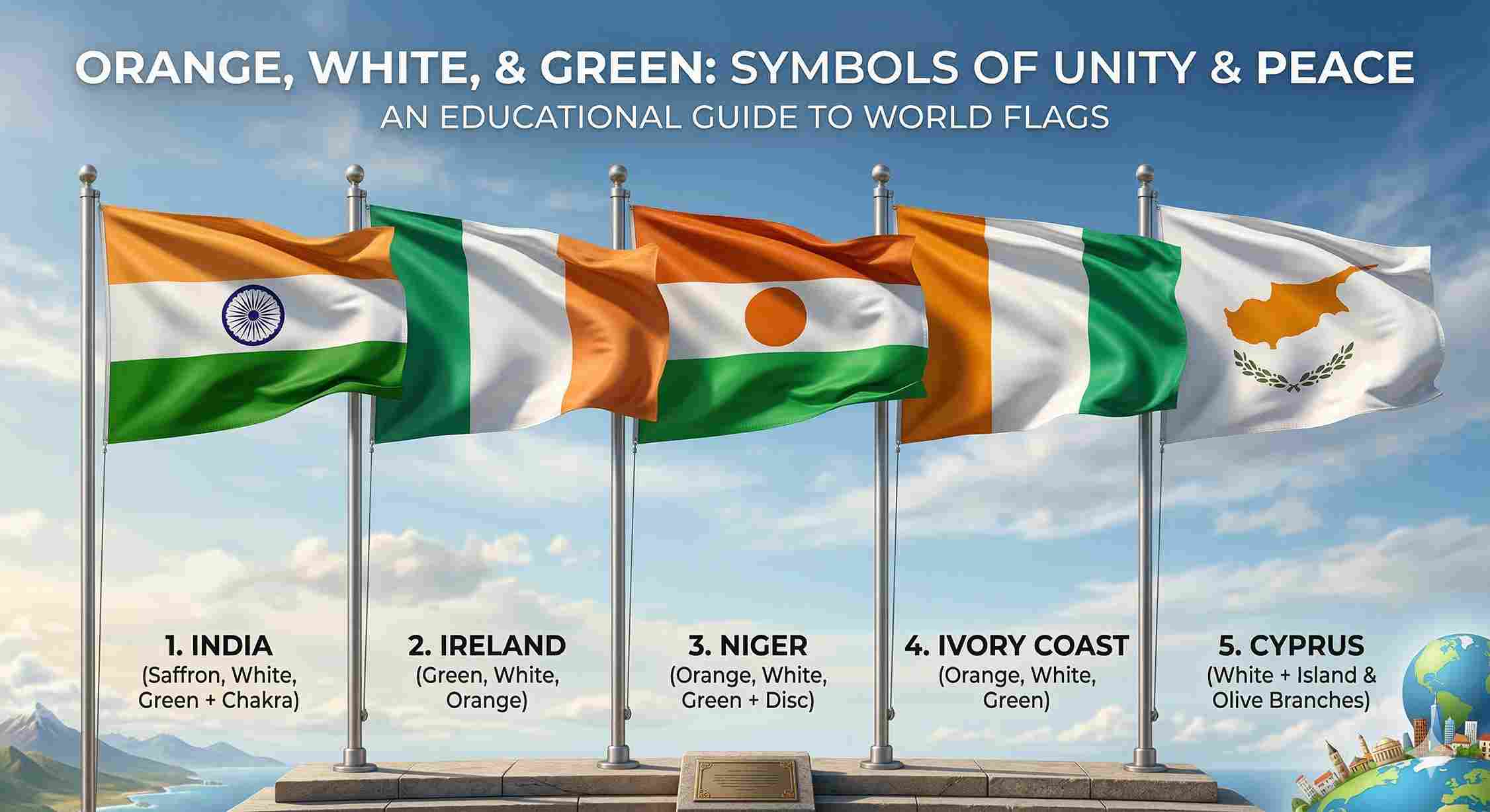
Flags are powerful icons; they shape the identity, history, values, and struggle of a nation. One of the world’s most widely used tricolors is represented by the orange, white, and green flag. This set of colors also evokes unity, freedom, and cultural pride at first glance. This flag is often associated with India, Niger, the Ivory Coast, and Cyprus, in addition to those of other nations. The orange-white-green tricolor effectively extends more broadly than a single country.
In this article, let’s take a deep dive into the meaning of the really long green white green flag, its history.
Countries with Flags That Are Green, White, And Orange
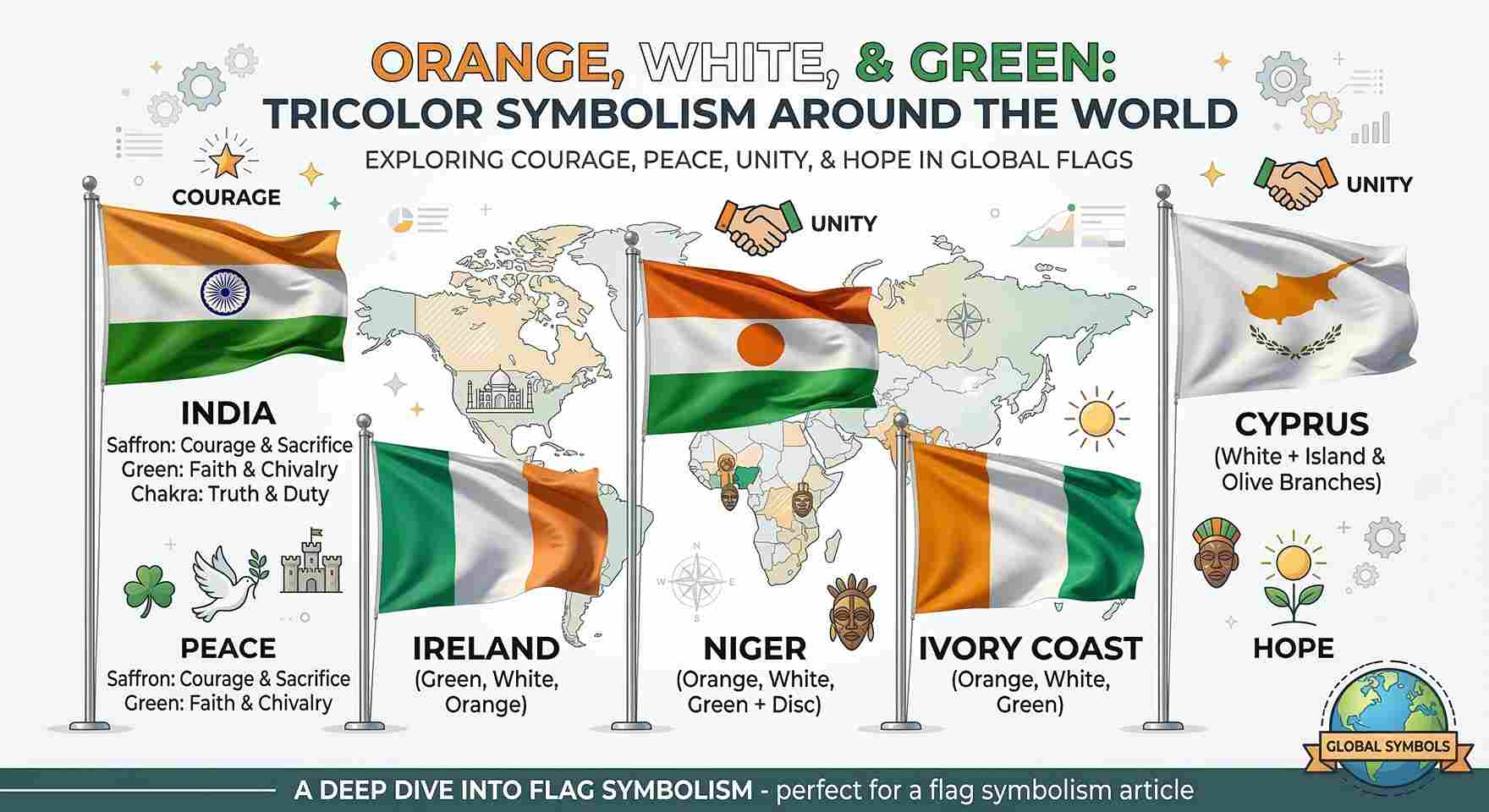
Ireland and the Ivory Coast have vertically striped tricolour designs, while India and Niger have tricolours arranged in horizontal stripes, each charged with a symbol with particular significance to the state.
The Flag of Ireland
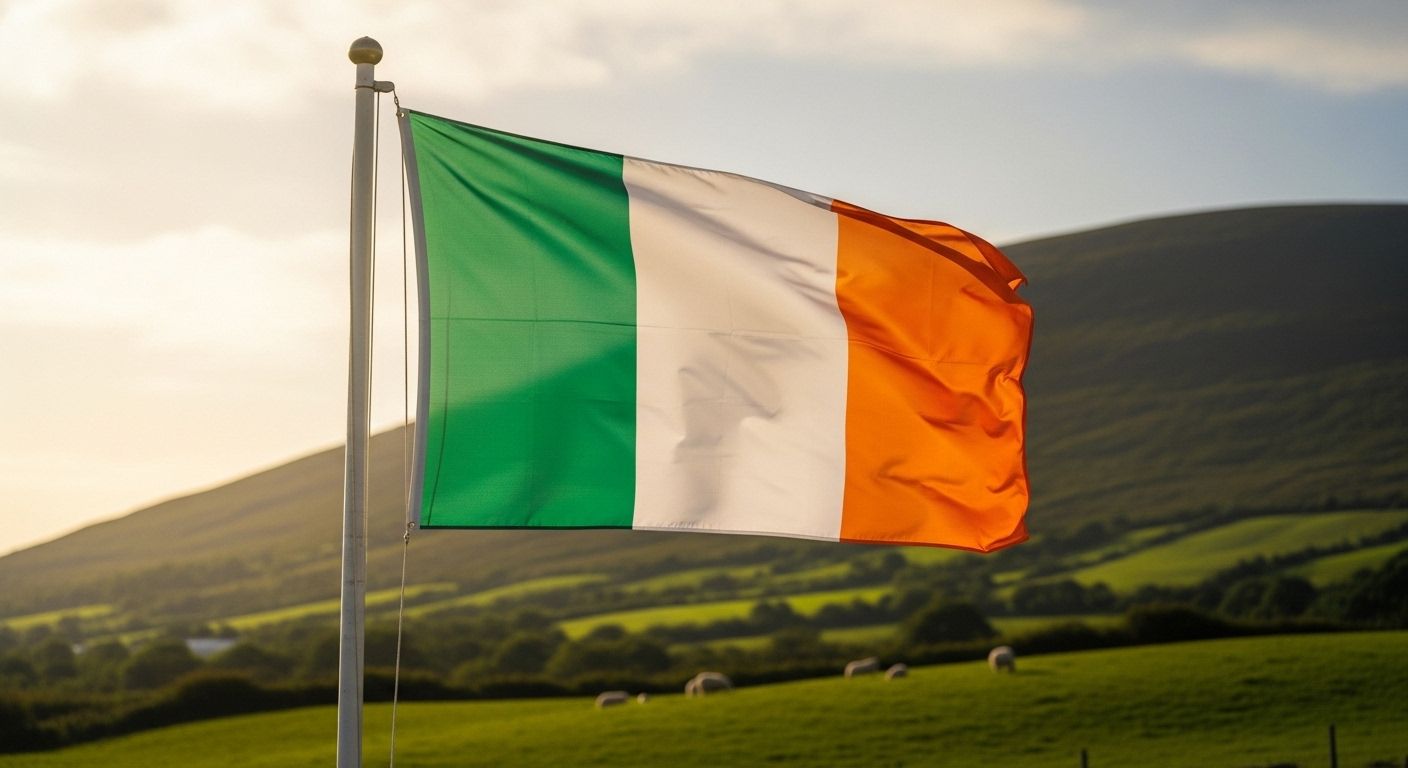
The most recognizable flag is the Irish tricolor, which consists of orange, white, and green. It is composed of three equal vertical bands: orange on the fly side, white in the center, and green on the hoist side.
The green classifies Irish nationalism, the beauty of the Emerald Isle, and the country’s Catholic majority, while the orange reflects Ireland’s Protestant community and the Orange Order, a Protestant fraternal organization established in Northern Ireland. The white strip that separates them represents unwavering harmony and peace.
The Flag of India
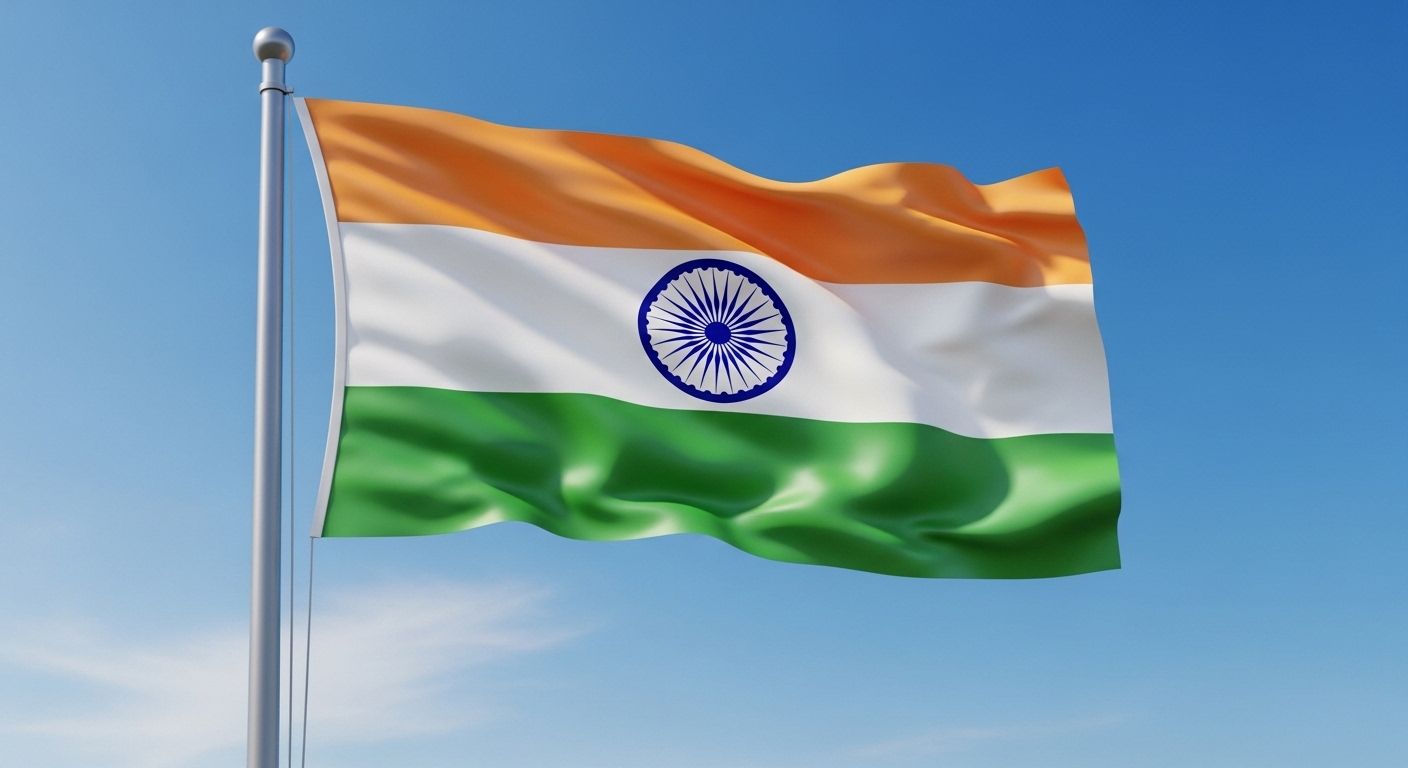
The blue Dharma Chakra has been placed in the center of the horizontal tricolor design on the Indian flag. The green ring at the bottom represents faith, chivalry, and the fertility of the land; the white middle band symbolizes peace and truth; and the top turmeric (orange) band signifies courage and sacrifice.
The ancient Mauryan Empire, when India was first merged under a single government, is where the deep blue Dharma Chakra, a wheel with 24 spokes, originated.
It is linked with Emperor Ashoka of the third century BCE. The flag has a length-to-width ratio of 3:2, which suggests that its length is 1.5 times its height.
The Flag of Niger
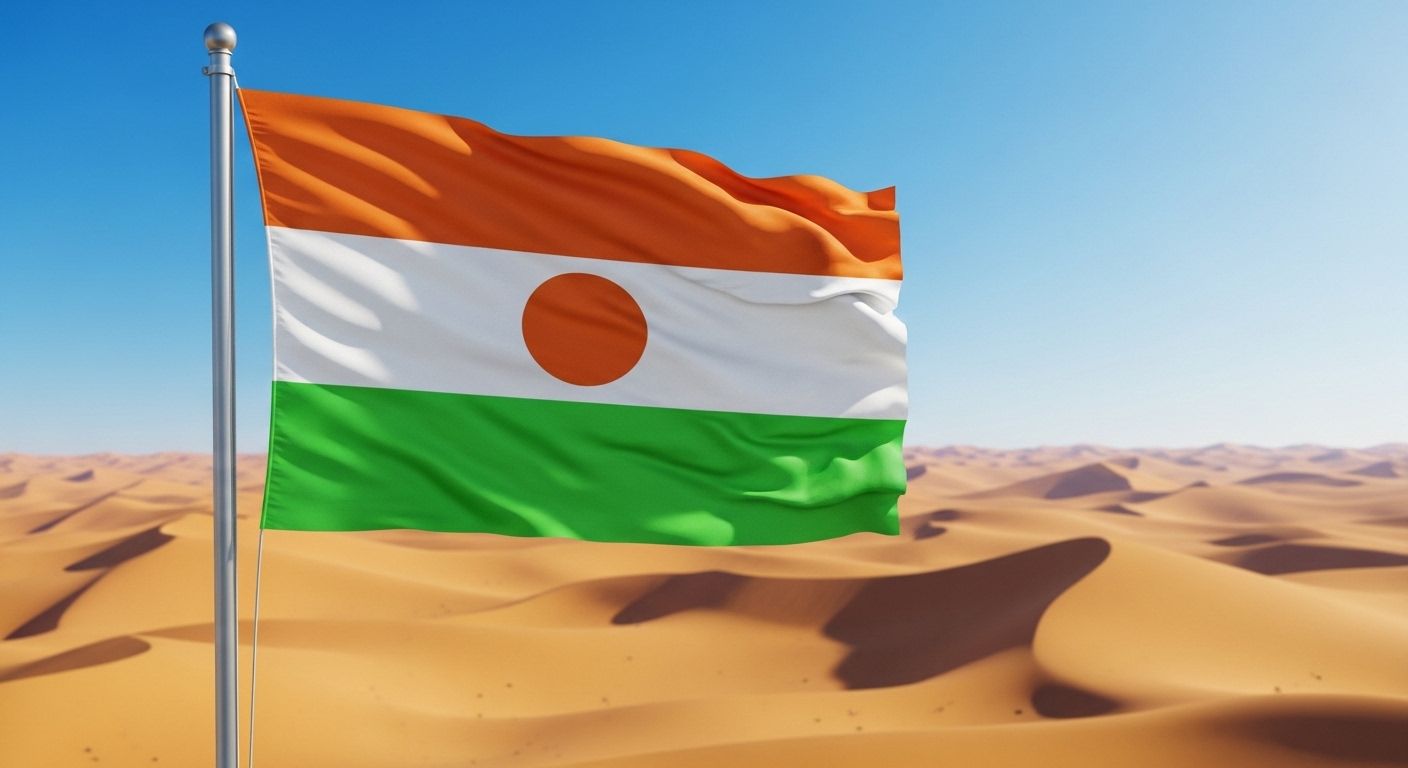
Similar to the Indian flag, the upper stripe is orange, the central one is white, and the bottom stripe is green. The orange stripe is a representation of both the north and east of Niger, which is characterized by the Sahara Desert. The white is a symbol of purity, innocence, and civic duty, and the green line is a symbol of the southwest of the country and fertile land along the Niger River, a symbol of agriculture and hope.
The yellow spot at the middle of the flag signifies the sun and the Nigerien people's spirit. This also assists in distinguishing the flag from that of India.
The test proportions are 6:7, i.e., 6 units tall and 7 units long.
The Flag of the Ivory Coast
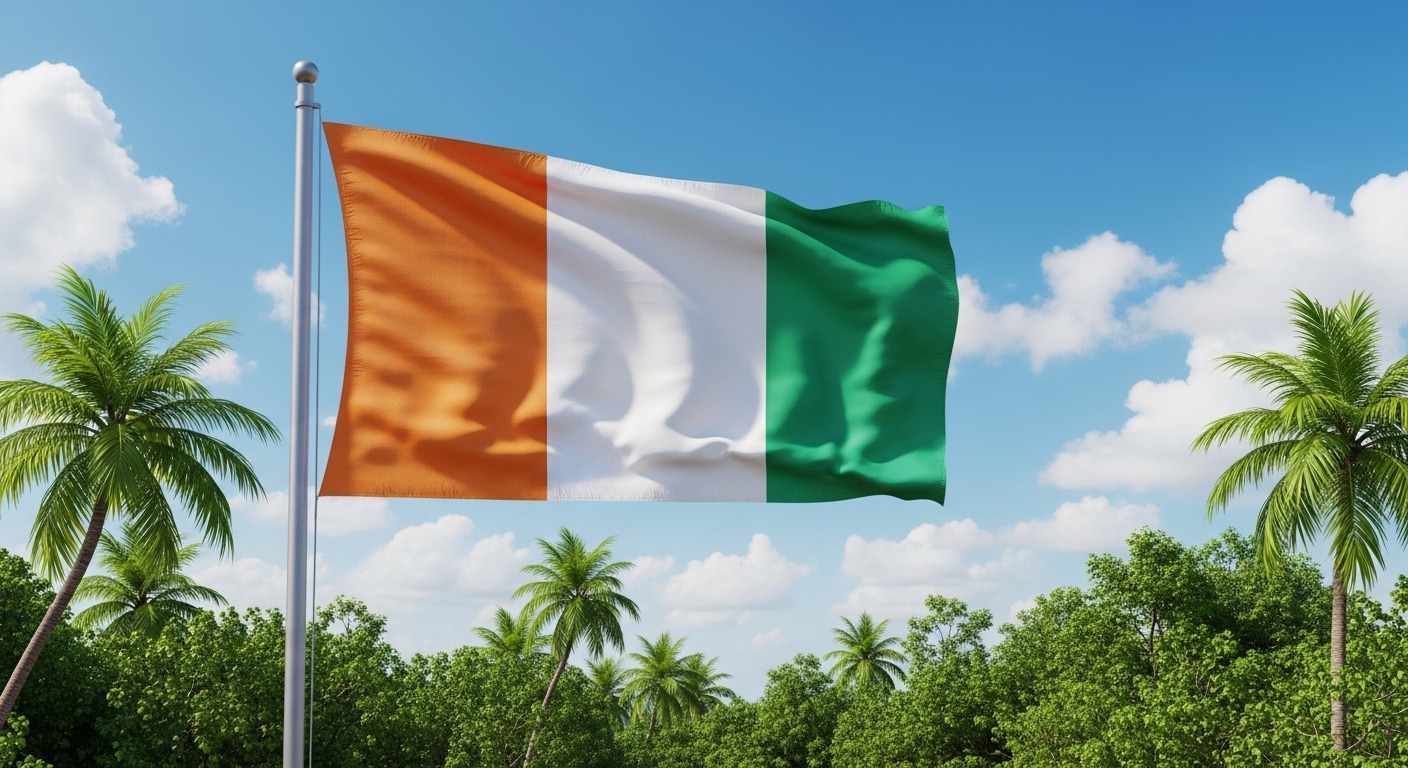
This flag looks like an inverted Irish flag.
Starting with an orange stripe at the left, white in the middle, and green on the right, opposite the order of the Irish tricolor. The orange color symbolizes national growth and the savanna grasslands in the north of the country, white represents peas, purity, unity, and a sign of success, and green is marked as coastal forests in the south of the country, as well as hopes for a bright future.
The Flag of Cyprus
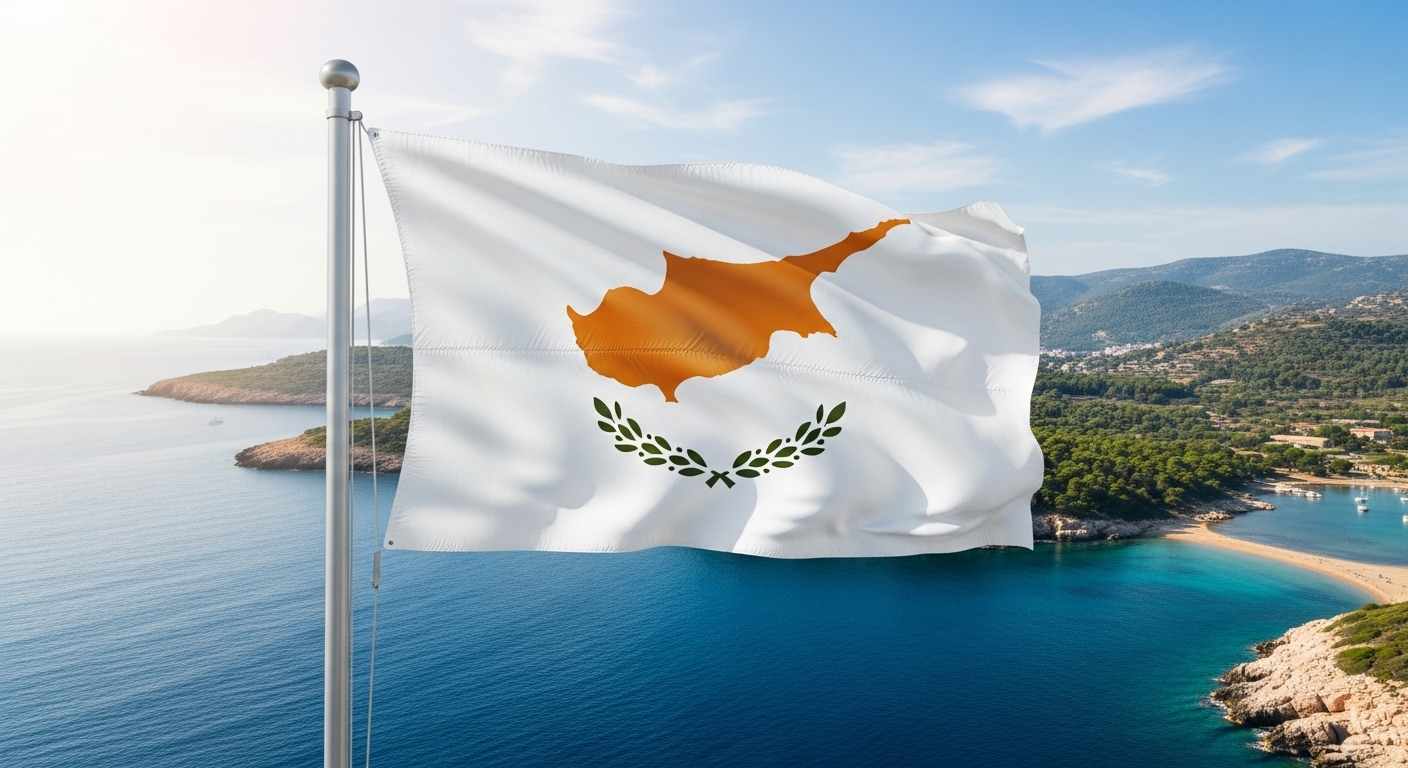
The Cyprus flag is designed differently when compared to the other green, white, and orange flags.
The design has an image of a country, copper-orange in the middle of a white background, with the green olive branches below. This coppery-orange hue symbolizes the copper ore that was abundant in the island, which is believed to have given the country its current name.
The white is used to signify peace and unity among the people of the Island, and the green olive branches are used to depict reconciliation between the Greek and Turkish Cypriot people.
Conclusion
The orange, white, and green flag is much more than a mix of colors; it is a great symbol of courage, peace, and advancement. It has a historical background, profound philosophical undertones, and the purpose of this tricolor is to symbolize unity, sacrifice, and prospects of a better future.
The orange, white, and green flag still instills hope in millions of people in the world, whether it is considered an emblem of a nation or a universal sign of peace and development. The message that it conveys is eternal: be true, live without fear, and strive to achieve the common good.
Frequently Asked Questions (FAQs)
1. What is the opposite flag of Ireland?
The Ivory Coast flag resembles the Irish flag a lot since it is also a vertical tricolour consisting of green, white, and orange stripes. But the stripes are the reverse, and there is a difference between these two flags.
2. Why is orange used instead of red?
Orange (saffron) symbolizes sacrifice and spirituality, aligning with cultural and philosophical traditions. All of these countries have orange.
3. What is the meaning of the white color in the flag?
White stands for peace, honesty, and truth, acting as a moral guide for the nation. White color is presents the legacy of all of these countries.