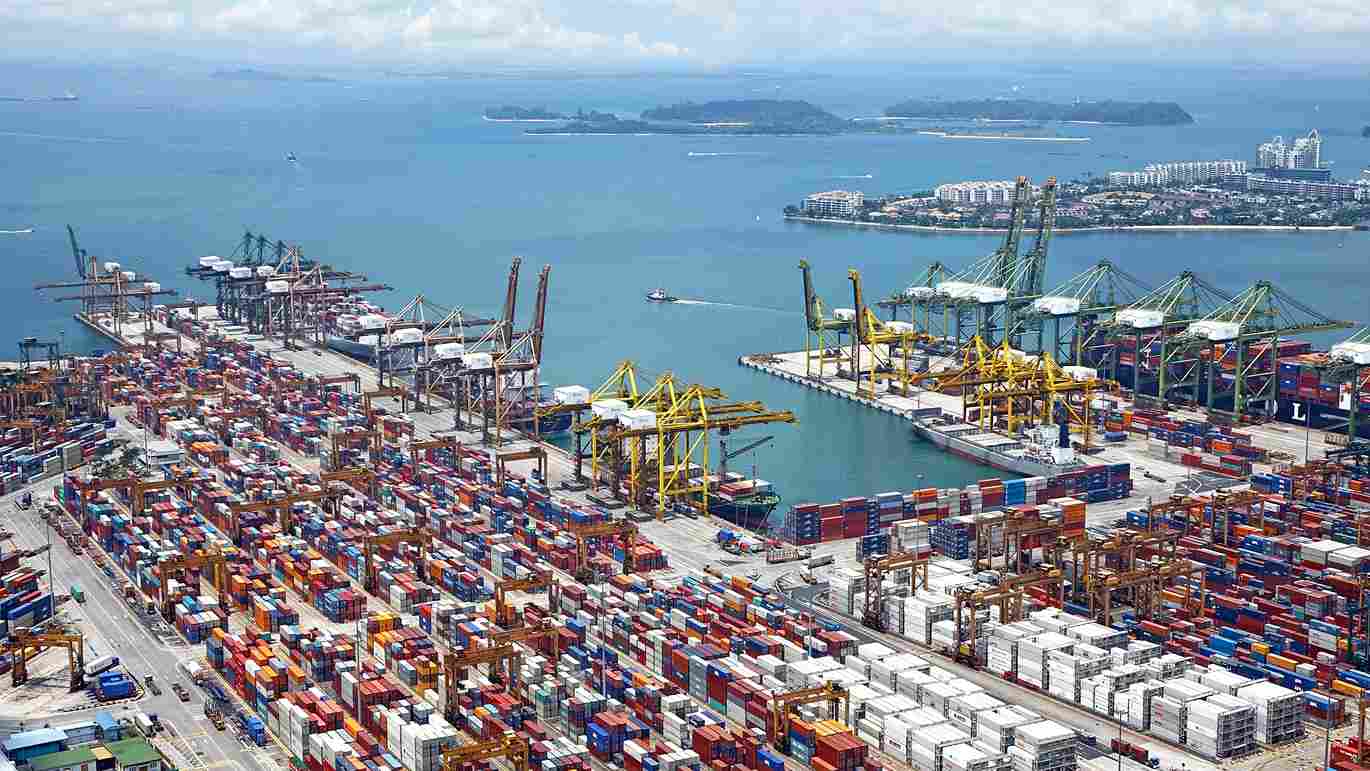
Understanding the complexities of Houston’s dock can be daunting, especially when dealing with drayage—the short-distance transport of goods from the port to a nearby destination. Managing this process efficiently is critical for small businesses to ensure that products reach their final destination on time and within budget. But with the challenges of Houston's busy port complex, how can you streamline your operations as a small business?
In Houston drayage services offer vast benefits to business owners. This blog will explore practical solutions tailored specifically for small businesses operating in Houston. Let’s dive into these strategies to empower your business and optimize your supply chain.
1. Understanding the Challenges of Transportation in Houston
Houston's harbor complex is a powerhouse in the United States logistics industry, handling millions of containers each year and playing a crucial role in trade and commerce. While this bustling hub offers immense business opportunities, it has unique challenges, particularly for small businesses navigating short-distance transportation. Fortunately, these challenges can be effectively addressed with the help of professional drayage services.
Streamlining Port Operations with Drayage Services
One of the critical challenges in Houston's harbor is congestion. With the constant movement of cargo, delays can sometimes occur, affecting the speed at which goods are transported. However, drayage services offer a solution by streamlining the transportation process. Experienced drayage companies can navigate the congested port environment, ensuring cargo is handled effectively, decreasing wait times, and lowering the danger of demurrage costs.
Simplifying Compliance Through Expertise
Drayage services bring expertise in compliance with safety, environmental, and operational standards. By partnering with a knowledgeable drayage provider, businesses can ensure they meet all regulatory requirements without the burden of managing these complexities independently. This ensures smooth operations and helps companies to avoid potential penalties associated with non-compliance.
Maximizing Resources with Professional Support
While small firms may have less resources than bigger organizations, drayage services can help level the playing field. Small businesses may benefit from drayage providers' experience and established networks to have access to dependable transportation options at reasonable costs. These providers often have established relationships with logistics partners, enabling them to secure favorable terms and dependable support that might otherwise be out of reach for smaller companies.
2. Solutions Tailored for Small Businesses
Small businesses can adopt several strategies to improve their operations in Houston. These solutions are designed to help them navigate the complex efficiently, reduce costs, and improve the reliability of their supply chains.
Partnering with a Specialist
One of the most effective strategies is to partner with a provider who understands the Houston port complex and has experience working with small businesses. A specialized provider can offer tailored services that meet your needs, whether handling perishable goods, oversized cargo, or time-sensitive deliveries.
- Local Expertise: A specialist with deep knowledge of the Houston area can more effectively navigate local regulations, traffic patterns, and dock operations, reducing the risk of delays.
- Flexible Services: Look for providers who offer flexible options, such as on-demand services or short-term contracts, which can help you manage costs and adapt to changing business needs.
- Reliability and Accountability: Established specialists are more likely to offer reliable service and transparent communication, helping you stay informed and control your shipments.
Leveraging Technology for Real-Time Tracking
Incorporating technology into your operations can give you greater visibility and control over your shipments.
- GPS Tracking: With GPS monitoring, you can always know where your items are, allowing you to make educated decisions and respond promptly to potential issues.
- Automated Alerts: Set up automated notifications to warn you of any delays, allowing you to take proactive measures to minimize their effect on your supply chain.
- Data Analytics: Use data analytics to review past performance, identify trends, and optimize your logistics processes for future shipments.
3. Cost-Effective Strategies
- Reduced Costs: Consolidating shipments lowers the per-unit transport cost, saving your business money.
- Improved Efficiency: Fewer trips mean less time spent on conveyance, leading to quicker turnaround times and more efficient operations.
- Lower Environmental Impact: Consolidating shipments also reduces the carbon footprint of your logistics operations, contributing to more sustainable practices.
4. Planning for Scalability
It is crucial to work with providers who can handle larger volumes, offer more services, or even provide end-to-end logistics support as your operations expand. Select a partner that offers scalable solutions so you can easily adjust your logistics services as your business grows. Building long-term cooperation with a reliable provider can ensure continuity and consistent service as your logistics needs evolve. Consider how your current strategies will support your business in the future, and plan for potential growth areas in your supply chain.
In Houston, drayage can be challenging for small businesses, but with the right strategies, it’s entirely achievable. By partnering with specialized providers, leveraging technology, and adopting cost-effective practices, your business can streamline operations and enhance overall supply chain efficiency. Take the time to evaluate your needs, find solutions that align with your business goals, and empower your small business to thrive in the competitive logistics landscape.