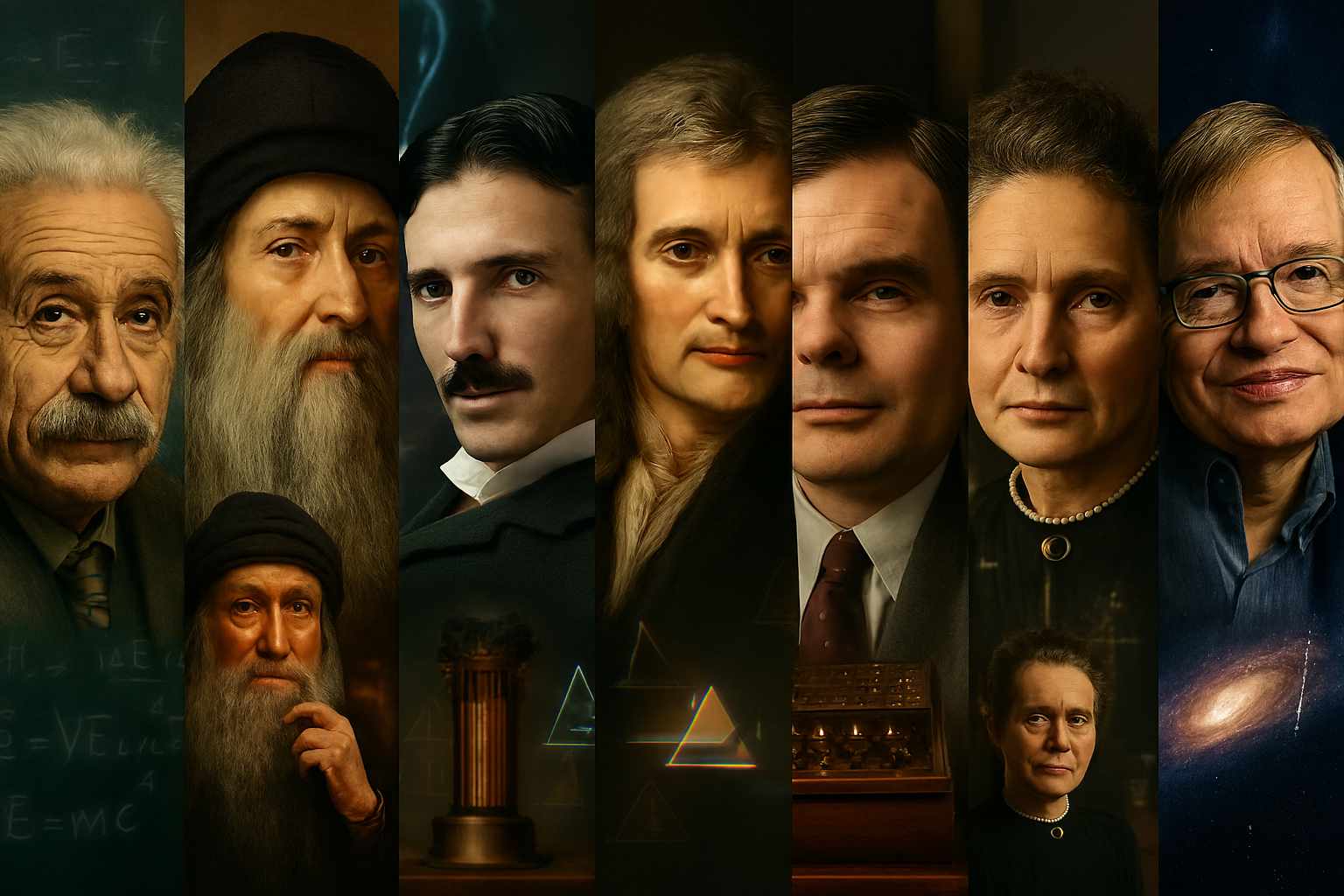
When we talk about the most smart people in the world, we often imagine mathematical geniuses, groundbreaking scientists, or innovative thinkers who completely change the world around us. But intelligence is not limited to just academic brilliance. It includes creativity, emotional depth, problem-solving skills, innovation, and the ability to influence generations. Throughout history and even today, there are individuals whose intellectual contribution stands far above the rest. Their ideas changed industries, reshaped societies, and opened doors to new scientific discoveries.
Understanding who qualifies as “the most smart people in the world” also means understanding what intelligence really looks like. IQ scores, while helpful, are only one measure. In this guide, we will cover some highly intellectual and intelligent people around the globe.
Top 9 Smartest People Around the World
1. Albert Einstein
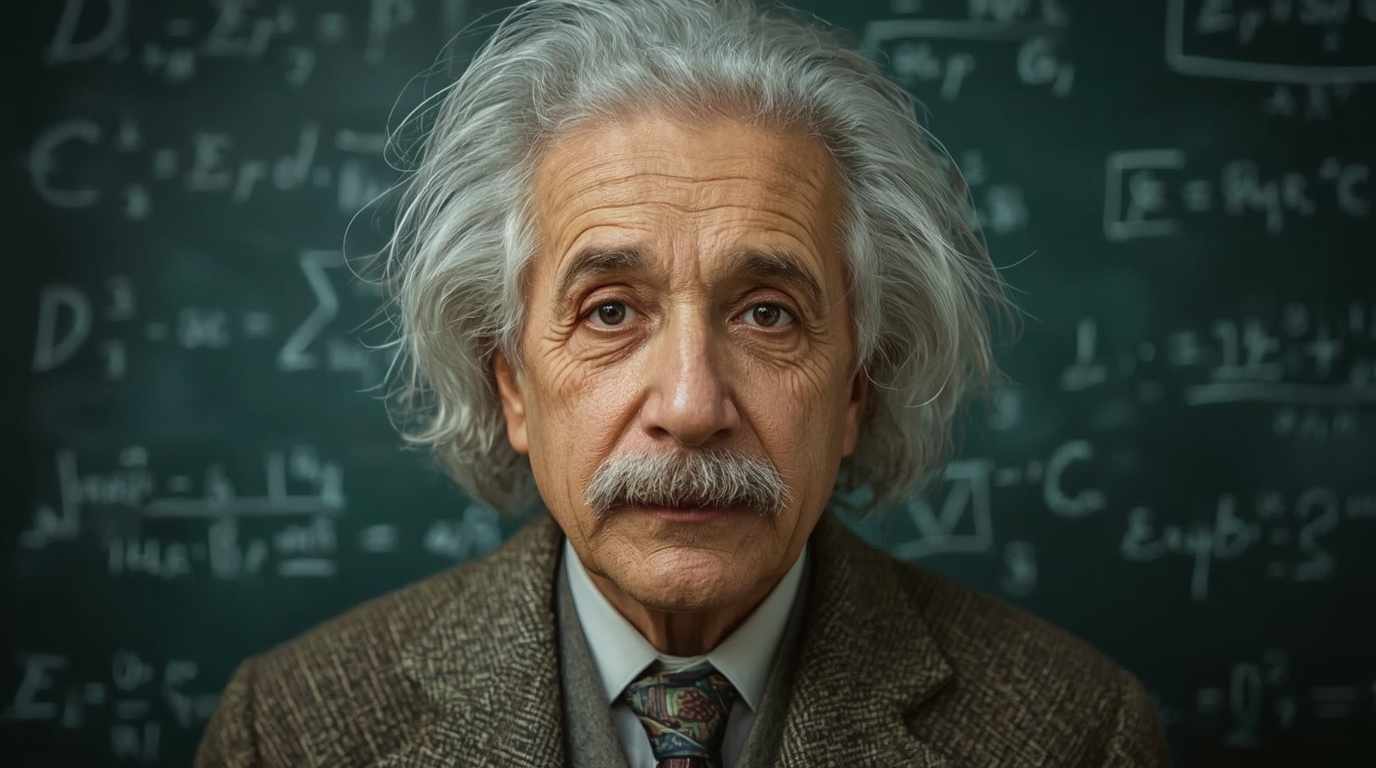
Albert Einstein is one of the most recognized geniuses in human history. Born in 1879 in Germany, he was a physicist whose theories completely changed how we understand time, space, energy, and gravity. His Theory of Relativity revolutionized modern physics, and his famous equation E=mc⊃2; explained the relationship between mass and energy.
Einstein won the Nobel Prize in Physics in 1921 for his work on the photoelectric effect. His intelligence reshaped science and still influences modern technology, GPS, and space exploration.
2. Isaac Newton

Sir Isaac Newton was born in 1642 in England and is known as the father of classical physics. He discovered the laws of motion and universal gravitation, explaining how objects move on Earth and in the universe.
Newton also made groundbreaking contributions to mathematics, such as inventing calculus, and studied optics, discovering that white light is made of different colors. His intelligence created foundations for modern science.
3. Leonardo da Vinci
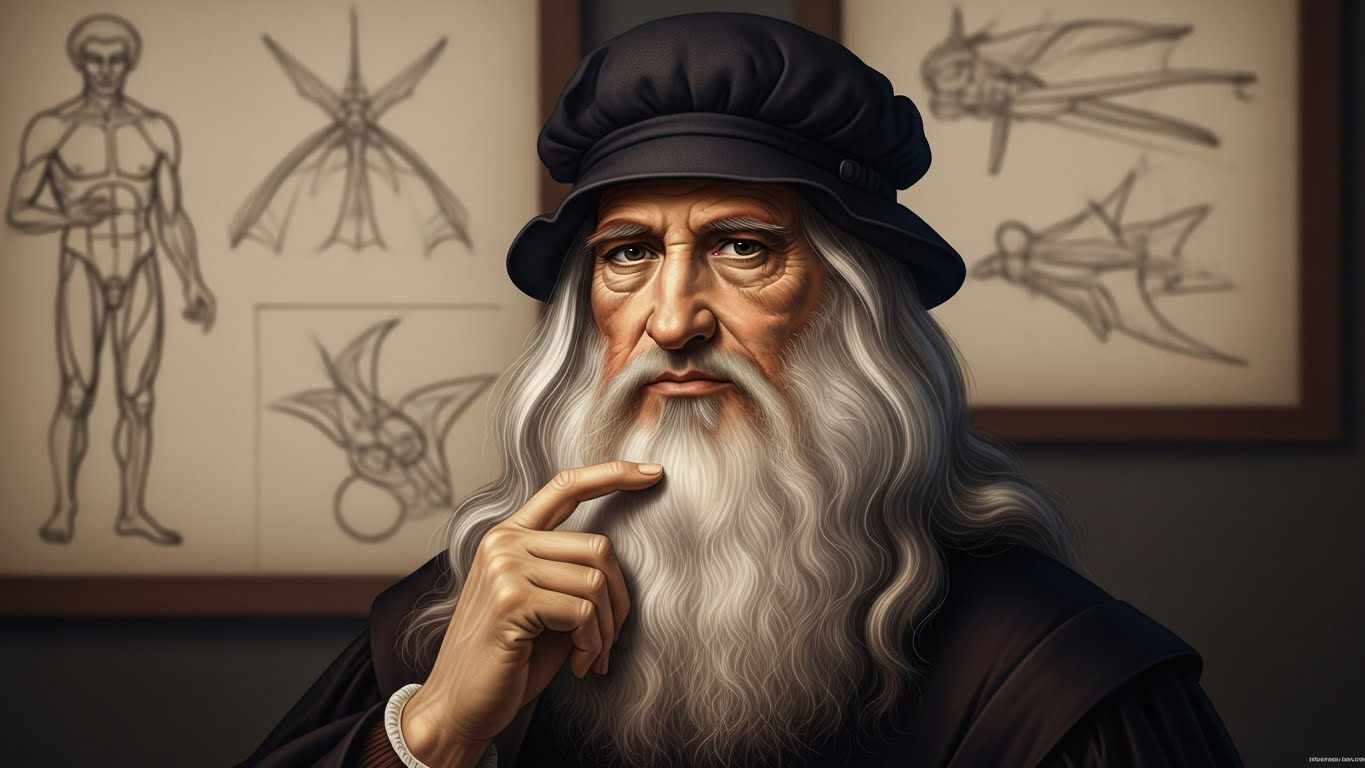
Born in 1452 in Italy, Leonardo da Vinci was a multi-talented genius who mastered painting, anatomy, engineering, architecture, and science. He created masterpieces like The Mona Lisa and The Last Supper. His notebooks show sketches of helicopters, tanks, and flying machines long before such inventions existed. Da Vinci represents a rare combination of creativity and scientific insight.
4. Marie Curie
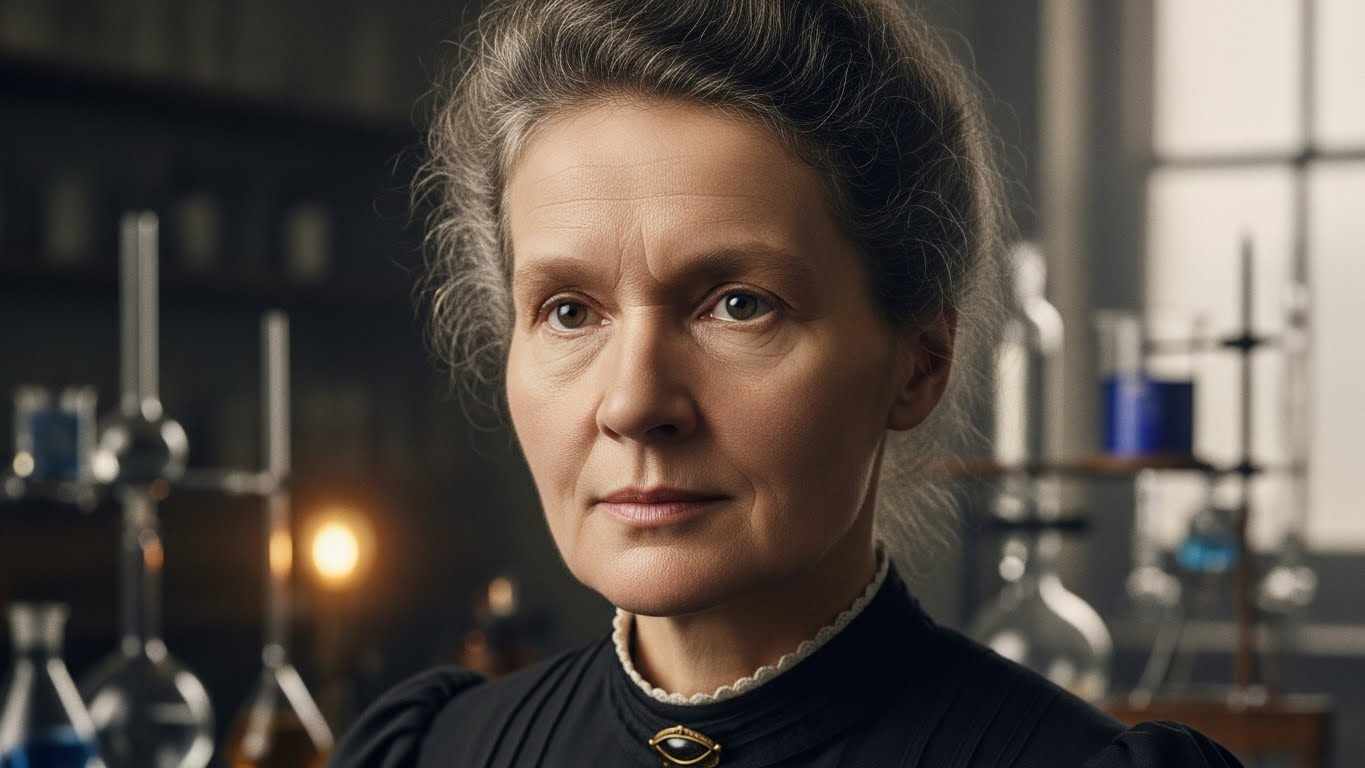
Marie Curie was born in 1867 in Poland and became the first woman to win a Nobel Prize — and the only person ever to win in two scientific fields: physics and chemistry. She discovered the elements polonium and radium and pioneered research on radioactivity.
Her scientific work helped develop X-ray technology and cancer treatments. She remains a symbol of intelligence, determination, and scientific courage.
5. Stephen Hawking
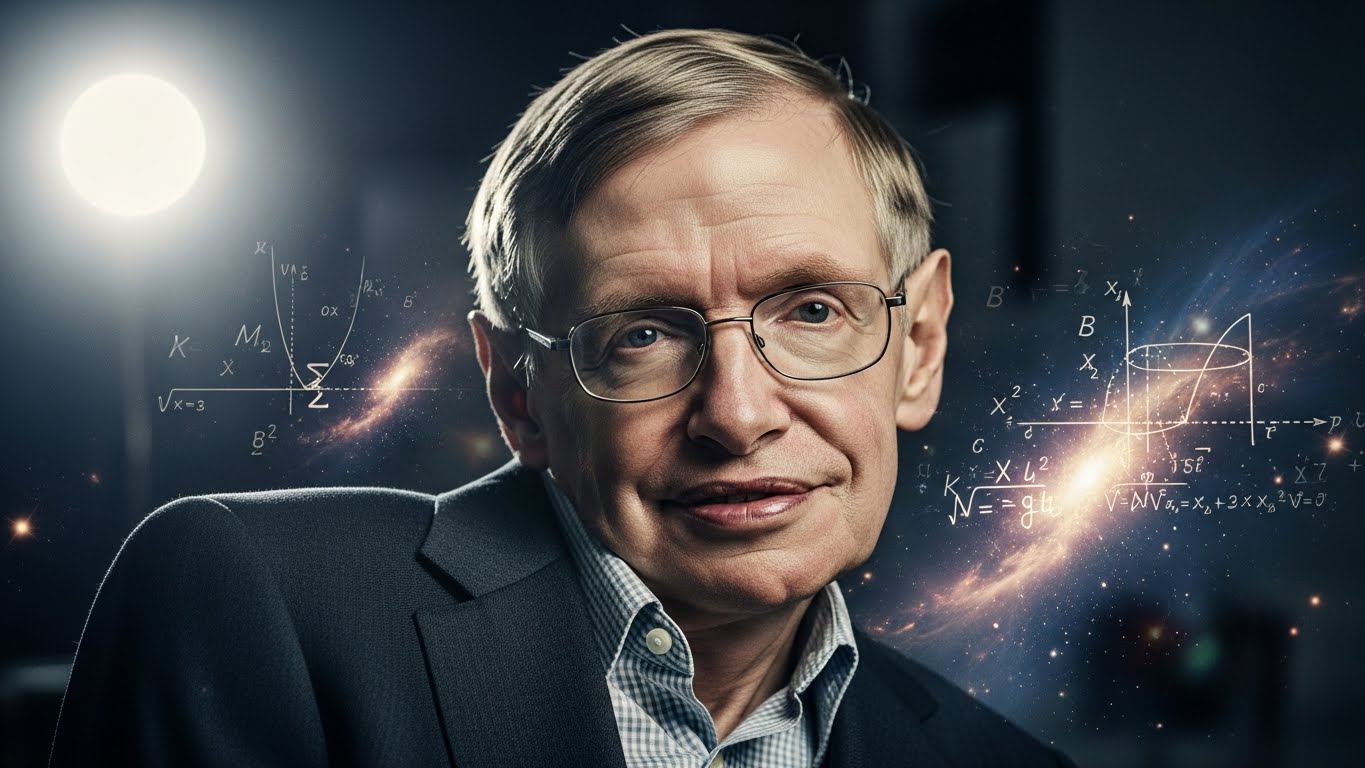
Stephen Hawking, born in 1942 in England, was one of the most brilliant cosmologists of the modern era. Despite suffering from ALS, which gradually paralyzed his body, he made remarkable discoveries about black holes, time, and the universe’s origins.
His famous book A Brief History of Time became a global bestseller, making scientific ideas understandable for everyone. Hawking’s mind remained active and powerful long after his body weakened.
6. Nikola Tesla
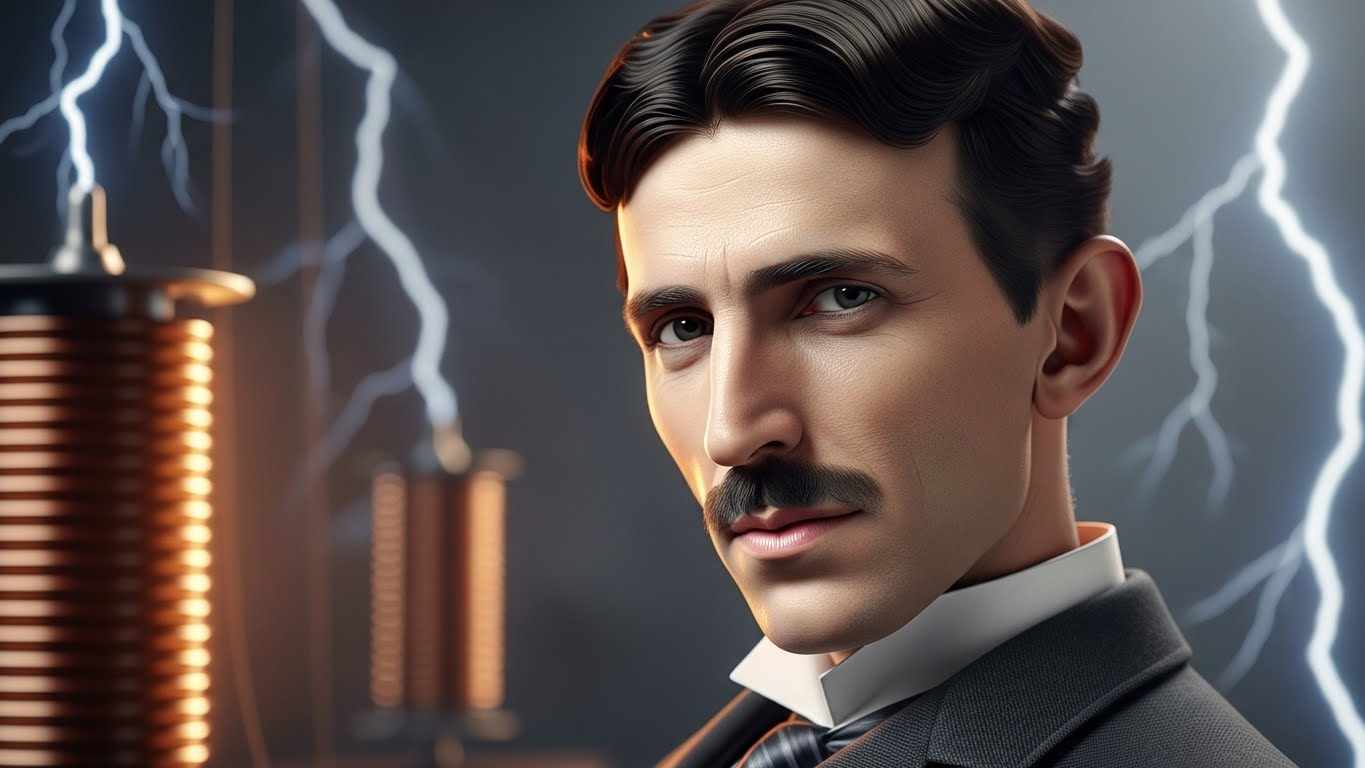
Nikola Tesla was born in 1856 in what is now Croatia. He was an inventor, engineer, and visionary who created the modern alternating current (AC) electric system, which powers our homes and cities today. Tesla also imagined wireless energy, radio communication, and futuristic machines long before they became real. His intelligence and imagination were ahead of their time.
7. Elon Musk
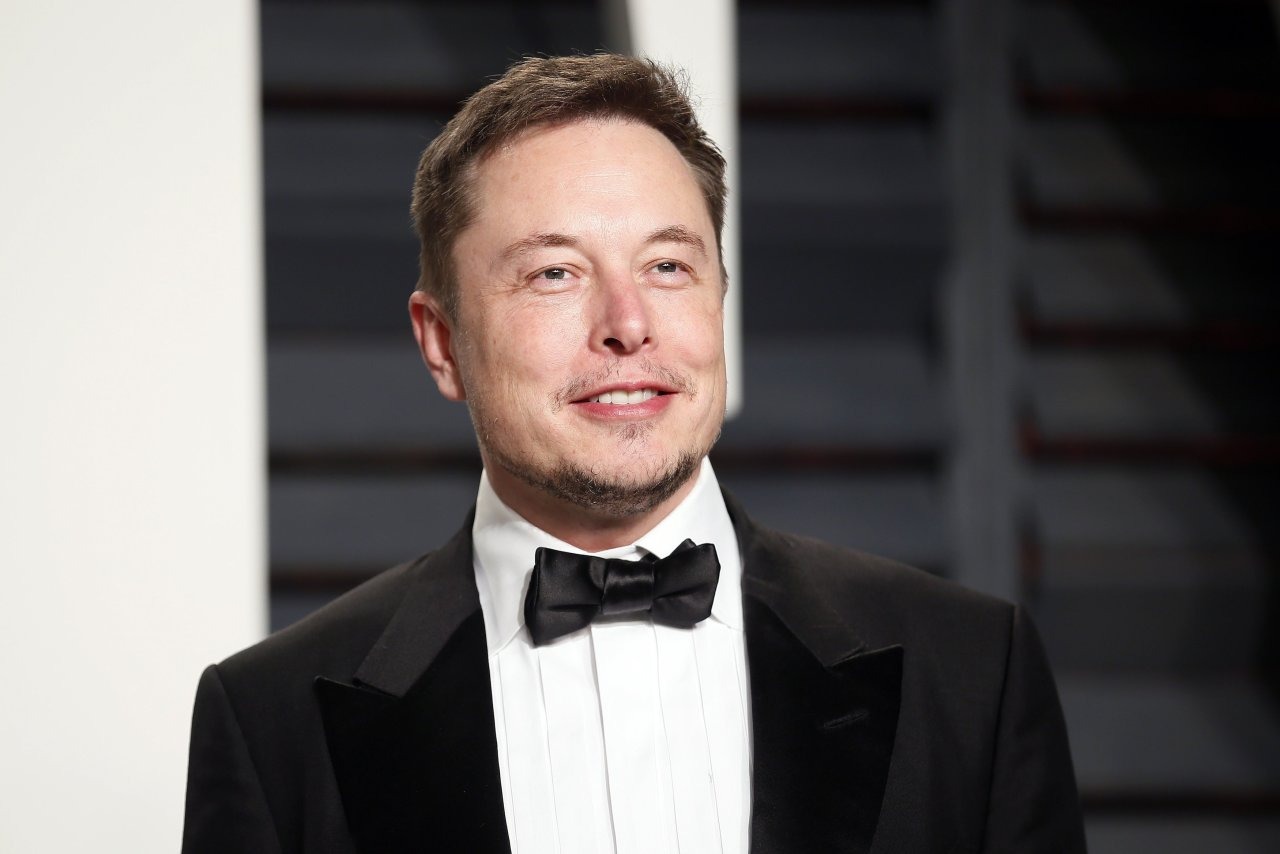
Elon Musk, born in 1971 in South Africa, is a modern-day innovator known for SpaceX, Tesla, and Neuralink. His intelligence lies in combining engineering, business strategy, and futuristic ideas. He played a major role in electric cars becoming mainstream and pushed the boundaries of space travel with reusable rockets. Musk is one of the most influential thinkers of the 21st century.
8. Terence Tao
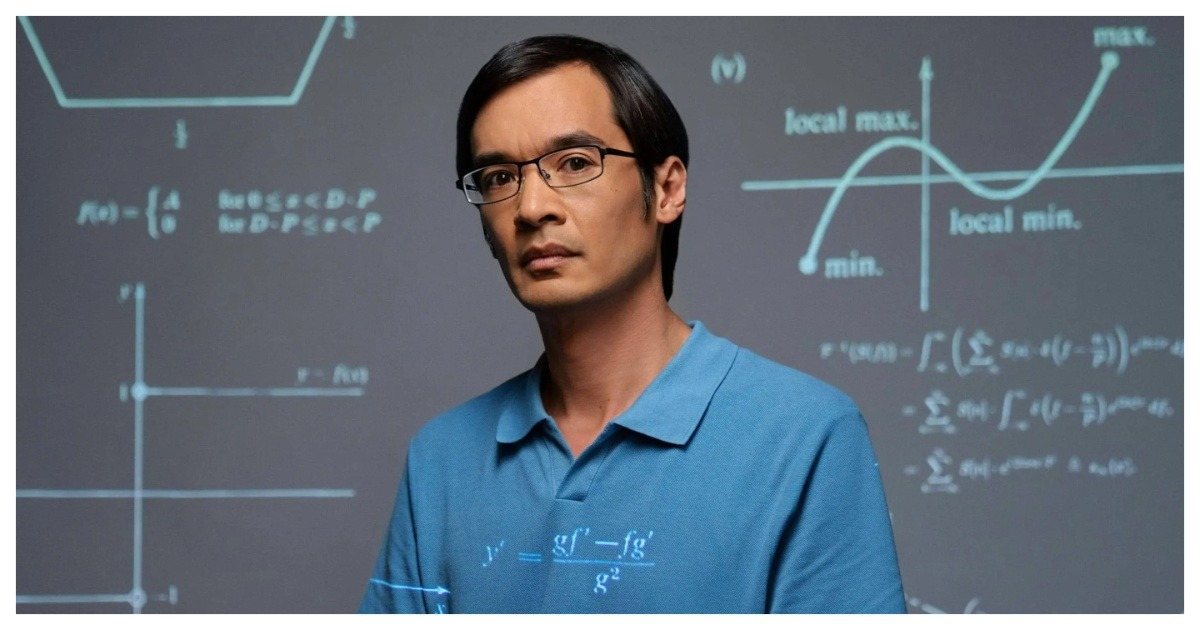
Terence Tao, born in 1975 in Australia, is considered one of the smartest people alive today. With an IQ estimated above 220, he showed genius-level mathematical talent from childhood. Tao became a professor at the University of California, Los Angeles, at just 24 and has made groundbreaking contributions in number theory, harmonic analysis, and partial differential equations. His work is used in advanced science and engineering.
9. Alan Turing

Alan Turing, born in 1912 in England, was the father of modern computer science. During World War II, he helped crack the Enigma code, which significantly shortened the war and saved millions of lives. Turing developed concepts that later became the foundation of computers and artificial intelligence.
His intelligence laid the groundwork for the digital era you see today.
Conclusion
The smartest people in the world are not defined solely by their IQ numbers, but by the scale of their contributions. From Einstein to Hawking, from Curie to da Vinci, and from modern innovators like Elon Musk to mathematical prodigies like Terence Tao, intelligence has many forms. What makes these individuals extraordinary is their ability to imagine the impossible and then work tirelessly to bring it into reality. They prove that one brilliant mind can shift the future of humanity.
Celebrating such individuals also inspires us to explore our own potential and understand that intelligence grows with curiosity, learning, and persistence.
Frequently Asked Questions (FAQs)
1. Who is considered the smartest person in the world today?
There is no single definitive answer, but mathematician Terence Tao is often mentioned due to his exceptionally high IQ and groundbreaking research.
2. Does IQ determine the smartest people?
IQ helps measure certain cognitive abilities, but true intelligence includes creativity, emotional depth, innovation, and problem-solving.
3. Is intelligence only found in science and math?
No. Artists, writers, philosophers, and inventors also display remarkable intelligence through creativity, reasoning, and influence.
4. Can someone become smarter over time?
Yes. Intelligence is flexible. Learning, curiosity, exposure, and problem-solving all contribute to increased intellectual ability.
5. Why do we study the world’s smartest people?
Their contributions inspire innovation, shape the world, and help us understand what the human mind is truly capable of achieving.