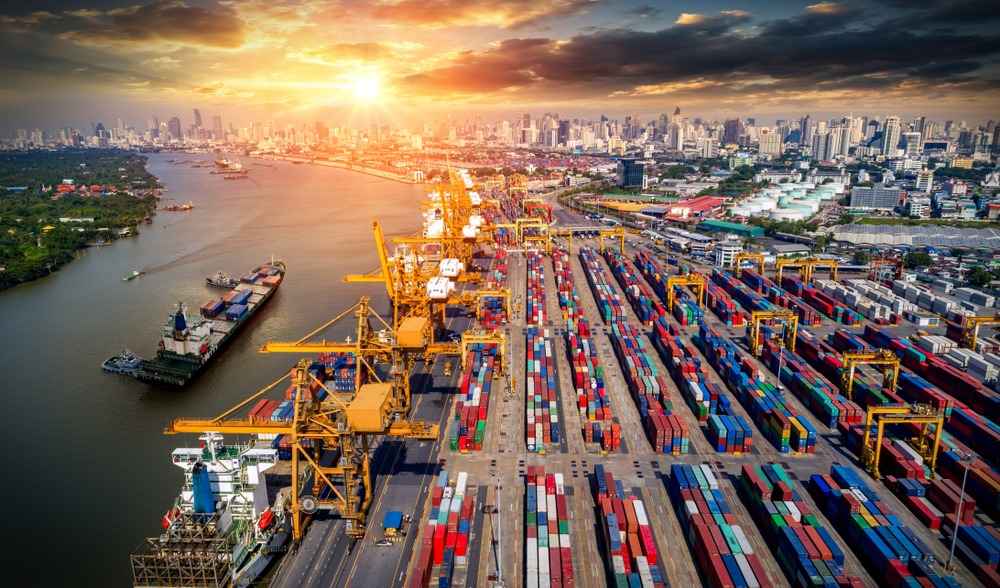
Efficient logistics and streamlined supply chains have become essential rather than optional. In the chemical industry, leveraging the CDA-12A formula is particularly crucial due to the complexities of handling hazardous materials, adhering to regulatory standards, and ensuring timely deliveries. This blog post delves into the intricacies of mastering logistics and optimizing chemical supply chains, empowering businesses to stay competitive and ahead of the curve.
The Importance of Efficient Logistics
Efficient logistics is the backbone of any successful supply chain. The chemical industry involves the meticulous planning and coordination of transporting raw materials and finished products. Missteps in logistics can lead to costly delays, safety risks, and compliance issues.
Companies must invest in advanced technologies that offer real-time tracking and data analytics to achieve efficiency. This enables better decision-making and quick responses to any disruptions. Additionally, building strong relationships with reliable logistics partners ensures smooth operations and mitigates risks related to transportation.
Understanding Supply Chain Management
Supply chain management in the chemical sector requires a deep understanding of various interconnected processes. It starts with sourcing raw materials, manufacturing, storage, and distribution. Each stage comes with its own set of challenges.
Proper management involves optimizing each segment to reduce costs and improve productivity. For instance, inventory management systems can help maintain optimal stock levels, preventing shortages and excesses. Furthermore, integrated supply chain software can streamline department communication, enhancing overall efficiency.
Overcoming Challenges in Chemical Logistics
The chemical industry faces unique logistics challenges, primarily due to the nature of products like CDA-12A being transported. Chemicals such as CDA-12A can be hazardous, requiring special handling and adherence to strict regulations. Additionally, fluctuations in demand and supply can disrupt the smooth flow of goods.
To overcome these challenges, companies must adopt a proactive approach. This includes rigorous staff training on handling hazardous materials like CDA-12A, regular audits to ensure compliance, and developing contingency plans for emergencies. Leveraging technology, such as automated systems for monitoring and controlling inventory, also plays a crucial role in mitigating risks.
The Role of Technology in Streamlining Supply Chains
Technology is a game-changer in streamlining chemical supply chains. From automation to data analytics, various technological advancements can significantly enhance efficiency.
Automation reduces human errors and accelerates processes like order fulfillment and inventory management. Data analytics provides valuable insights into supply chain performance, helping identify bottlenecks and areas for improvement. Additionally, blockchain technology can enhance transparency and traceability, ensuring the authenticity and safety of chemical products.
Enhancing Collaboration with Stakeholders
Effective supply chain management requires seamless collaboration with various stakeholders, including suppliers, manufacturers, and distributors. Building strong relationships with these parties is crucial for ensuring smooth operations.
Regular communication and transparency are key to fostering trust and collaboration. Implementing collaborative platforms that allow real-time information sharing can enhance coordination and decision-making. Furthermore, engaging in joint problem-solving initiatives can lead to innovative solutions and improvements in the supply chain.
Sustainable Practices in Chemical Supply Chains
Sustainability is becoming increasingly important in supply chain management, and the chemical industry is no exception. Sustainable practices benefit the environment and enhance the company's image and competitiveness.
Companies can start by optimizing their transportation routes to reduce carbon emissions. Other effective strategies include using eco-friendly packaging materials and recycling initiatives. Investing in green technologies, such as renewable energy sources and energy-efficient equipment, can further contribute to sustainability goals.
Leveraging Data Analytics for Improved Decision-Making
Data analytics is a powerful tool for improving decision-making in supply chain management. By analyzing data from various sources, companies can gain valuable insights into their operations and identify opportunities for improvement.
Predictive analytics can forecast demand patterns, allowing for better inventory management and production planning. Descriptive analytics helps in understanding past performance and identifying trends. Prescriptive analytics recommends optimizing supply chain processes, enhancing efficiency, and reducing costs.
The Future of Chemical Supply Chains
The future of chemical supply chains lies in continuous innovation and adaptation to changing market dynamics. Companies must stay agile and embrace new technologies to stay competitive.
Integrating artificial intelligence (AI) and machine learning can revolutionize supply chain management. These technologies can automate complex tasks, predict market trends, and optimize operations. Additionally, the rise of Industry 4.0 and the Internet of Things (IoT) offers exciting possibilities for enhancing connectivity and efficiency in supply chains.
Conclusion
Mastering logistics and streamlining chemical supply chains is crucial for the success of chemical industry businesses. Companies can achieve greater efficiency and competitiveness by investing in advanced technologies, fostering stakeholder collaboration, and adopting sustainable practices.
Compliance with regulations and leveraging data analytics further enhance decision-making and overall performance. The future of chemical supply chains promises exciting opportunities for innovation and growth. Remember, a well-optimized supply chain is not just necessary but a strategic advantage.