Have you ever wondered who decides if factory air is safe to breathe? Many people think safety just happens. It does not. It takes training. It takes planning. It takes professionals who understand how daily exposures affect workers over time. Industrial hygiene stands at the center of that effort, often unnoticed but deeply important.
Recent headlines have pushed the field into public view. Chemical spills make national news. Warehouse heat waves raise alarms. Wildfire smoke drifts into crowded cities. These events show that workplace safety is not abstract – it affects people with families and routines. Industrial hygienists study these risks, measure exposures and recommend controls before problems grow.
The pandemic also changed public awareness. Ventilation became common conversation. Air filters turned into selling points. Carbon dioxide monitors showed up in schools. Industrial hygiene experts were already focused on these issues. The rest of the world? It simply caught up.
Students interested in this path often ask simple questions. Is it just testing air? Is it mostly paperwork? The reality is broader and more dynamic than expected. In this blog, we will share the essential knowledge students need to understand industrial hygiene, career pathways and its growing importance in modern society.
How to Become an Industrial Hygienist
The path to becoming an industrial hygienist starts with a bachelor's degree. Industrial hygiene programs exist but related fields work too. Engineering, chemistry, physics and biology all provide useful foundations. These degrees teach either accident prevention principles or deep scientific knowledge. Both matter in this work.
A master's degree opens more opportunities. Students learn to analyze toxicological data. They study epidemiological data too. Both matter. They learn to design hazard controls. Effective ones – the kind that actually work. They dive deep into occupational safety regulations. Not just surface level. Deep. This advanced understanding changes everything. It separates entry level workers from true professionals. The gap is real. And the degree closes it.
Work experience transforms classroom knowledge into practical skill. Industrial hygiene requires handling real hazards in real workplaces. Every factory floor teaches something new. Every worker conversation reveals another layer of complexity. Completion of an ABET accredited master's program counts as one full year of professional experience toward certification. This accelerates the path for dedicated students.
Certification marks the final milestone. The Certified Industrial Hygienist credential comes from the American Board of Industrial Hygiene. Candidates need several years of work experience – they must supply professional references. They take a comprehensive exam covering the entire field. Passing signals mastery. It gives employers confidence. It opens doors throughout a career.
Real World Applications
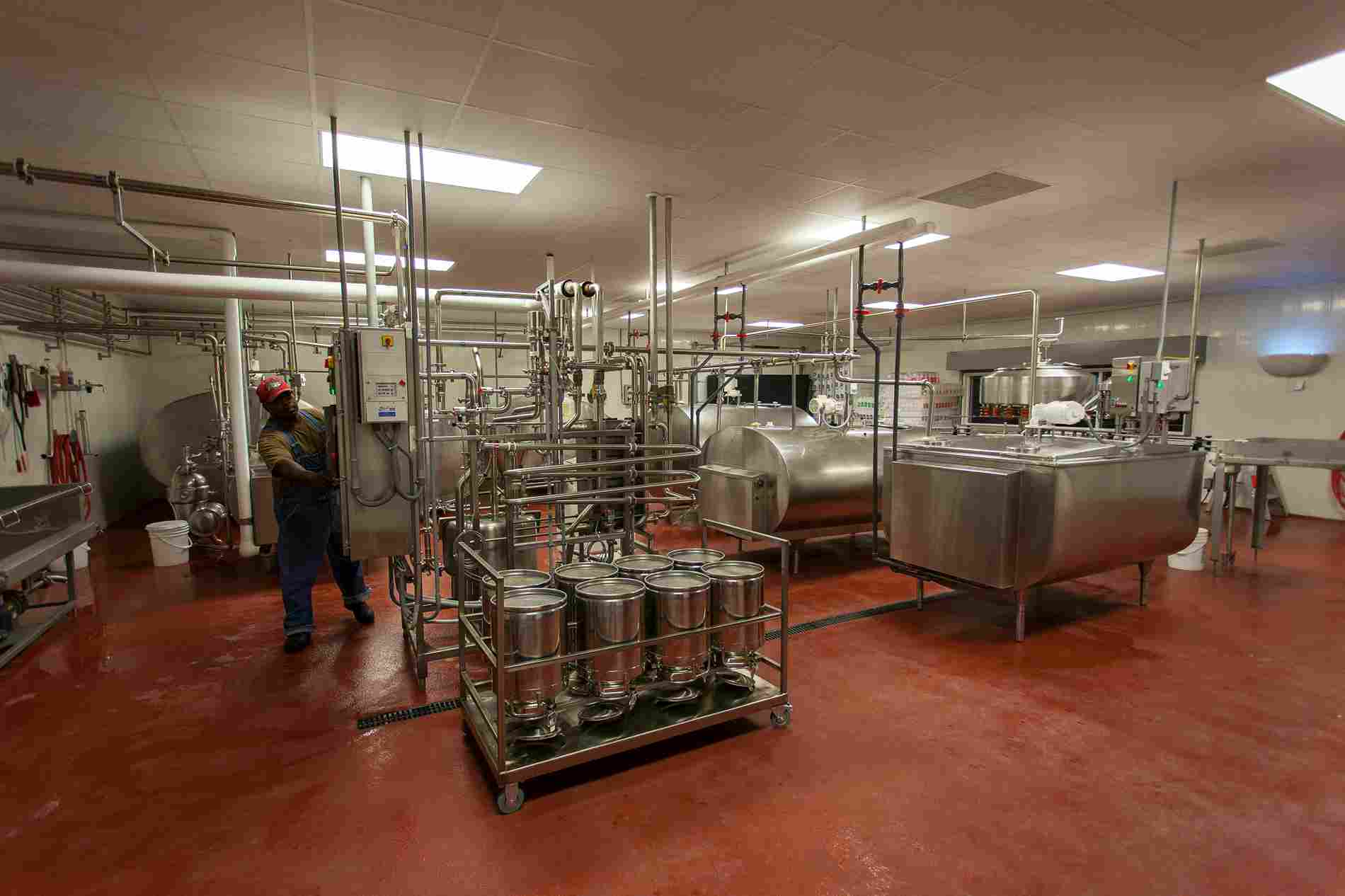
Consider a factory using abrasive blasting equipment. The process cleans surfaces by shooting materials at high speed. Traditional methods use silica, which creates dangerous dust. Workers breathe this dust all day. Over years, their lungs scar permanently. An industrial hygienist might suggest replacing silica with dry ice. The dry ice evaporates on contact. It cleans just as well without destroying lungs. Simple substitution saves lives.
Emergency response shows another side of the work. After an explosion at a paper mill, industrial hygienists secure the scene. They make sure cleanup workers do not put themselves at additional risk. They check for compromised radiation sources. They set up monitors detecting toxic chemicals at harmful levels. They advise on appropriate protective gear. Steel toed shoes, hardhats and hearing protection become requirements rather than suggestions. The hygienist's knowledge prevents second disasters during cleanup.
The pandemic highlighted biological hazard expertise. Industrial hygienists understood airborne transmission before the general public learned the term. They knew how ventilation affected virus spread. They advised businesses on safe reopening strategies – and their knowledge protected communities during an unfamiliar crisis.
Essential Skills for Success
Communication matters just as much as technical skill. Industrial hygienists often speak to workers who never took advanced science classes. Big terms do not help in those moments – plain language does. Ventilation systems must be explained clearly. Protective gear must be discussed without sounding bossy. If the message is unclear, the advice will be ignored.
Attention to detail sets good professionals apart from great ones. Hazards rarely announce themselves loudly – they hide in corners. They linger in small oversights. A loose connection can release fumes slowly. A skipped safety step can expose someone without warning. Catching these details early stops trouble before it grows.
Problem solving sits at the heart of the job – no two workplaces are exactly alike. A solution that works in one factory may fail in another. Industrial hygienists must adjust constantly. They design controls that fit real conditions. They think about budgets and deadlines. Safety must work alongside productivity. Not against it. Flexible thinking makes that balance possible.
Career Outlook and Earnings
So what is the career outlook for students exploring this path? Encouraging. Data from Indeed shows promising numbers. Industrial hygienists earn an average annual salary of $83,599 nationwide. That is solid pay for meaningful work. The U.S. Bureau of Labor Statistics reports different figures for related roles. Occupational health and safety technicians had a median yearly wage of $58,440, as of May 2024. Different jobs. Different pay scales. Both matter in the larger safety ecosystem.
The pandemic created additional demand. Suddenly everyone cared about air quality. Biological hazard expertise became valuable overnight. Companies needed guidance. Communities needed answers. Schools needed reopening plans.
Industrial hygienists provided that knowledge. They still do.
Their relevance will only grow. New challenges emerge constantly. New chemicals enter production. New diseases appear. New work processes create unknown risks. Industrial hygienists will be there. They will measure, assess and protect.
The field pays well. The work matters. The future stays bright.
Why This Work Matters
In 2019, 5,333 people lost their lives due to job-related incidents. These aren't just numbers. They reflect parents who did not return home after a shift. They reflect partners whose lives changed in an instant. They reflect neighborhoods left without familiar faces.
Industrial hygienists prevent these outcomes. They work behind the scenes. They rarely make headlines. But every day, they protect people from invisible threats. They ensure painters breathe clean air. They make sure farmers keep their hearing. They help nurses avoid dangerous infections. This is quiet work with enormous impact.
Students who enjoy science should look closely at this field. Those who care about people will find purpose here. The work is technical. It is also deeply human. It combines mental challenge with public service. The pay is solid. Job stability remains strong. The tasks change often so boredom rarely settles in. Most of all, lives are protected quietly, without applause.