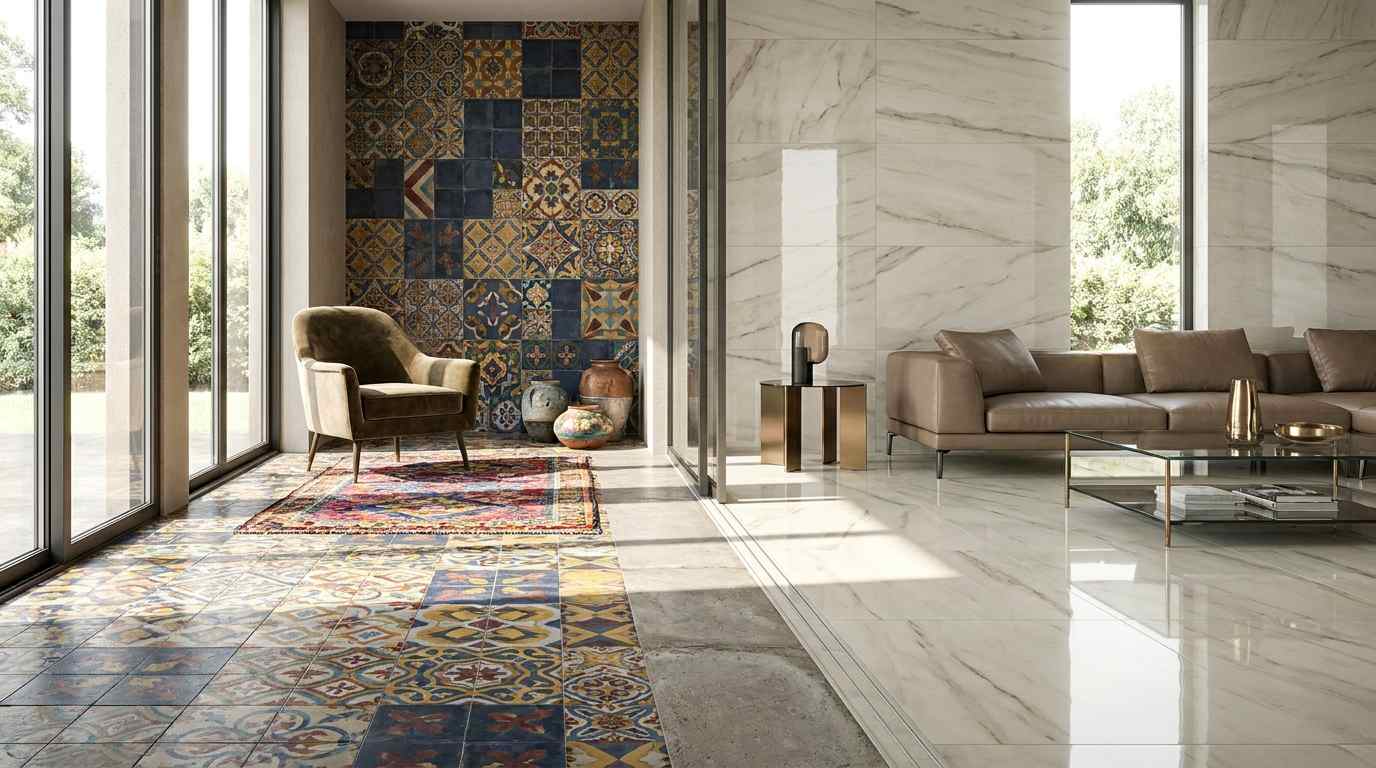
In the world of interior design, selecting the right tile can dramatically alter the character and ambiance of a space. Both Encaustic Cement Tiles and traditional ceramic tiles offer unique aesthetic and functional benefits, but choosing between them depends on several factors. This article delves into the characteristics, durability, and maintenance needs of both tile types, helping you determine which adds more character to your home.
Encaustic Cement Tile Characteristics and Aesthetic Appeal
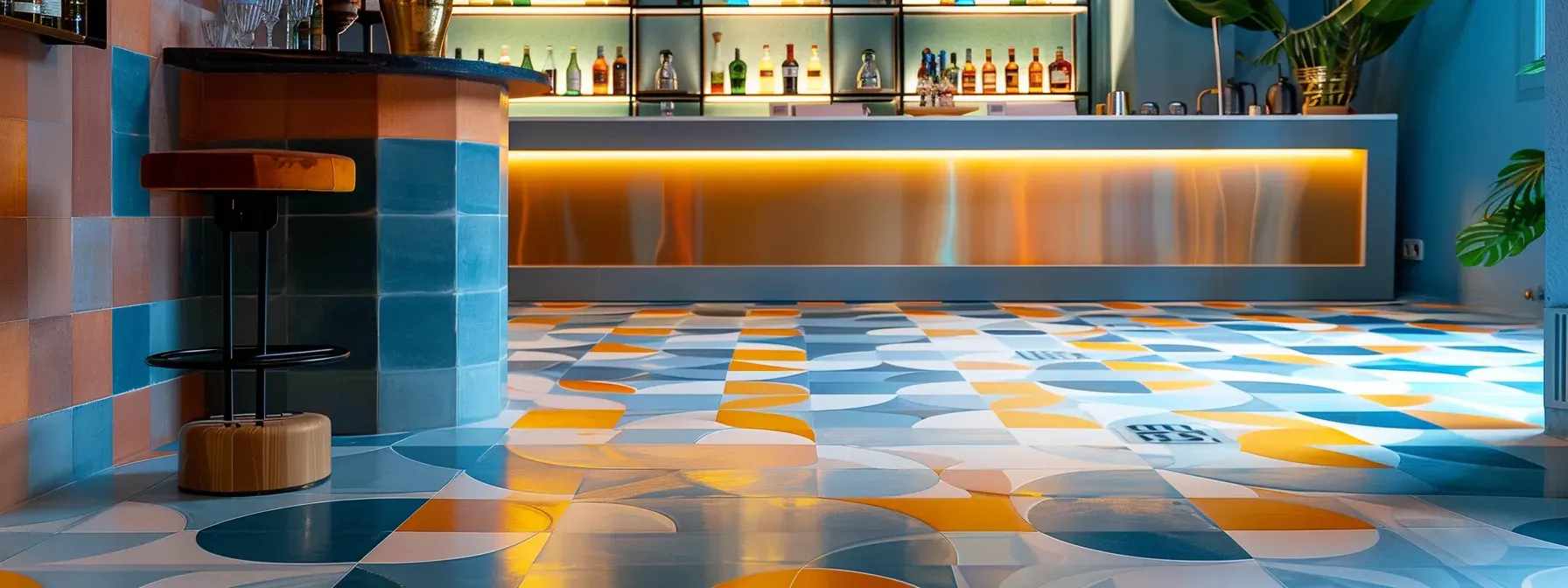
Encaustic Cement Tiles are known for their intricate patterns and rich colors, achieved through a special production process involving colored cement. Unlike ceramic tiles, which often rely on glazes for their color and finish, the patterns in encaustic tiles are embedded into the tile itself, offering a depth that can't be replicated. This technique allows for a wide range of design possibilities, making them a popular choice for creating striking Encaustic Cement Tile layouts that stand out in any room.
These tiles excel in creating focal points and are often used in spaces where design takes precedence, such as entryways or feature walls. The use of encaustic tiles can also aid in the Color Theory Application, allowing designers to play with palettes that evoke specific moods or themes. The historical and artisanal quality of Encaustic Cement Tiles adds not only visual interest but also a sense of timelessness to a space.
In addition to their aesthetic appeal, Encaustic Cement Tiles are a sustainable option, often produced with eco-friendly materials, supporting LEED Certification goals. This makes them an attractive choice for environmentally conscious homeowners looking to enhance their spaces.
Traditional Ceramic Tile Features and Visual Impact
Traditional ceramic tiles are a staple in the design industry, valued for their versatility and affordability. They are created by firing clay at high temperatures, then glazing to add color and finish. This process allows ceramic tiles to mimic the appearance of natural materials, such as stone or wood, making them a popular choice in a variety of settings.
The visual impact of ceramic tiles can range from subtle to bold, depending on the chosen design. They are ideal for spaces where durability and ease of maintenance are paramount, such as kitchens and bathrooms. Ceramic tiles offer a wide array of styles and finishes, making them an excellent choice for those looking to incorporate Space Planning into their design, as they can seamlessly transition between different areas of the home.
Moreover, ceramic tiles are often used in conjunction with FF&E elements, as their broad range of styles can complement various furniture and fixture choices, enhancing the overall cohesion of a room's design.
Comparing Durability and Maintenance Needs
When comparing the durability of Encaustic Cement Tiles and traditional ceramic tiles, it's important to consider the specific needs of your space. Encaustic tiles are generally thicker and can withstand heavy foot traffic, making them suitable for high-use areas. However, they require sealing to maintain their vibrant colors and prevent staining, which can add to their maintenance needs.
Ceramic tiles, on the other hand, are less porous and therefore naturally resistant to stains and moisture. This makes them easier to clean and maintain over time, especially in wet areas. The maintenance of ceramic tiles typically involves regular cleaning without the need for additional treatments.
In spaces where durability is a priority, such as commercial settings, the use of ceramic tiles may be more practical. However, for residential spaces where character and design are key, Encaustic Cement Tiles might be worth the additional upkeep.
Choosing the Right Tile for Your Space
Deciding between Encaustic Cement Tiles and traditional ceramic tiles ultimately depends on your design goals and lifestyle needs. For those seeking to create a unique, visually captivating environment, encaustic tiles offer unparalleled design flexibility and character. Their ability to support complex Schematic Designs can transform any room into a work of art.
Conversely, if your priority lies in practical applications such as kitchens or bathrooms where ease of maintenance and durability are essential, traditional ceramic tiles may be the better choice. They integrate well into design development processes and can be used effectively in conjunction with other interior elements like Millwork and cabinetry.
For anyone looking to add character through their choice of tile, consider how each type aligns with your overall design scheme and functional requirements. Recent analysis from Interior Design Magazine highlights how integrating the right tile can significantly enhance both the aesthetic and functionality of a space.
Conclusion

Selecting between encaustic cement and traditional ceramic tiles requires a careful assessment of your design aspirations and practical needs. Encaustic tiles provide an artisanal touch that sets them apart, while ceramic tiles offer versatility and ease of maintenance. Ultimately, the right choice will reflect your personal style and the specific demands of your environment, adding a distinct character to your home. By considering these factors, you can make an informed decision that elevates your space and meets your long-term design goals.