American Revenge Travel is part of a few years back, and if you are expecting a story about post-pandemic splurging, you're a few years behind.
That version of the story wrapped up around 2025, when recession fears, tariff whiplash, and a shaky job market replaced the "screw you, COVID" mood that defined the term in 2022.
Now in 2026, how the travelling has been changed is stranger and more specific than either boom or bust: fewer Americans are going anywhere at all, but the ones who do go are spending more, driving more, and building entire trips around a single milestone. Here's what the actual survey data says is happening.
What Was the American Revenge Travel Surge?
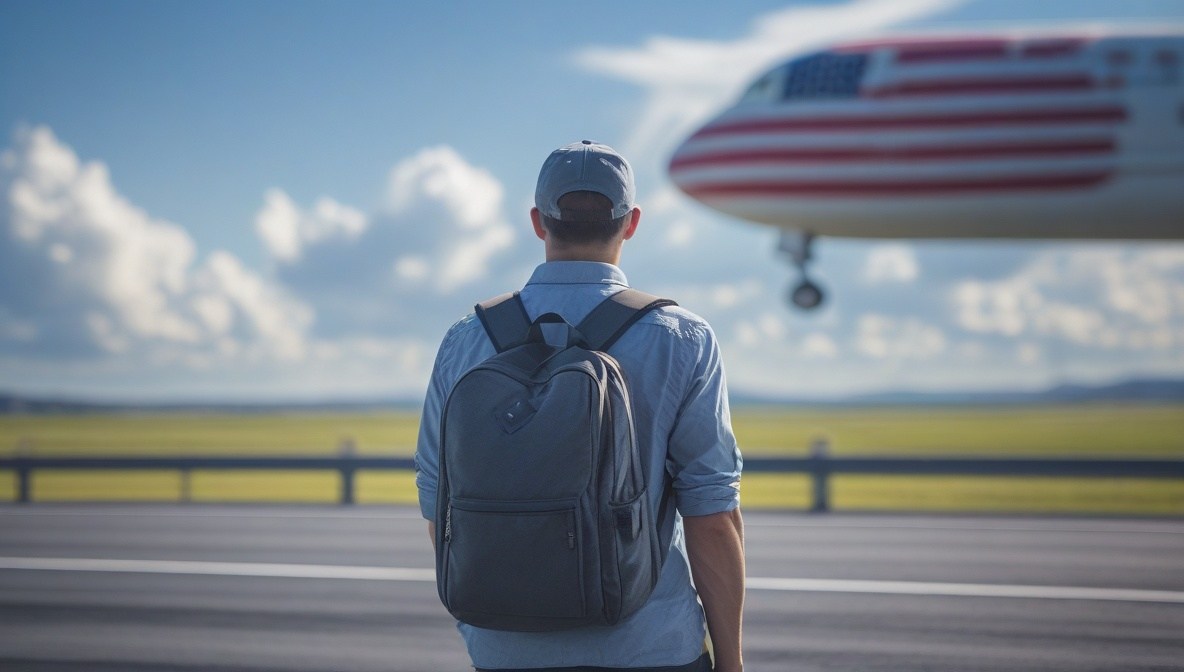
The American revenge travel surge was the spike in U.S. travel demand between 2021 and 2023, when people who had been stuck at home during the pandemic booked bigger, more frequent, and pricier trips than they had before COVID, treating vacations as payback for the freedom lockdowns had taken from them.
Where the Term Actually Came From
The phrase started showing up in industry conversation in 2022, when airfares and demand both spiked at once. Citi analyst Steve Trent tracked ticket prices running 35?ove 2019 levels for that July, even as airlines were flying with 15% less capacity than before the pandemic. Travel insurer Allianz Partners found that American bookings to Europe were on pace to jump 600% year over year. Delta's CEO told an industry conference that demand was "off the charts."
Eric Hrubant, who owns the luxury agency CIRE Travel in New York, put a name to the mood his clients were in: they were traveling out of "revenge against 'rona." It wasn't really about beating the virus. It was about proving they still could travel at all, prices and crowding be damned.
The Turning Point: When Revenge Became Anxiety
By the summer of 2025, the emotional charge behind the surge had curdled into something closer to dread.
CNN reported that the revenge travel era had effectively ended, with economic uncertainty, tariff-driven price fears, and worries about the treatment of Americans abroad pushing travelers into a wait-and-see stance instead of a spending spree.
A Bankrate survey that April found 23% of U.S. adults unsure whether they would travel at all that summer, up from 18% the year before, the sharpest year-over-year jump in indecision Bankrate had recorded.
Research firm SSRS found 42% of Americans said the economy had already changed their summer plans, and nearly a third said they might scrap their trip altogether.
Numerator's consumer survey showed how unevenly that pressure landed: 77% of households earning over $125,000 a year were still traveling, against just 55% of low-income households, with 31% of that group skipping vacation entirely.
Marriott CEO Tony Capuano told Bloomberg that booking windows for both leisure and business travel had compressed to roughly 21 days, an unusually short runway for a summer trip.
What the 2026 Numbers Actually Show
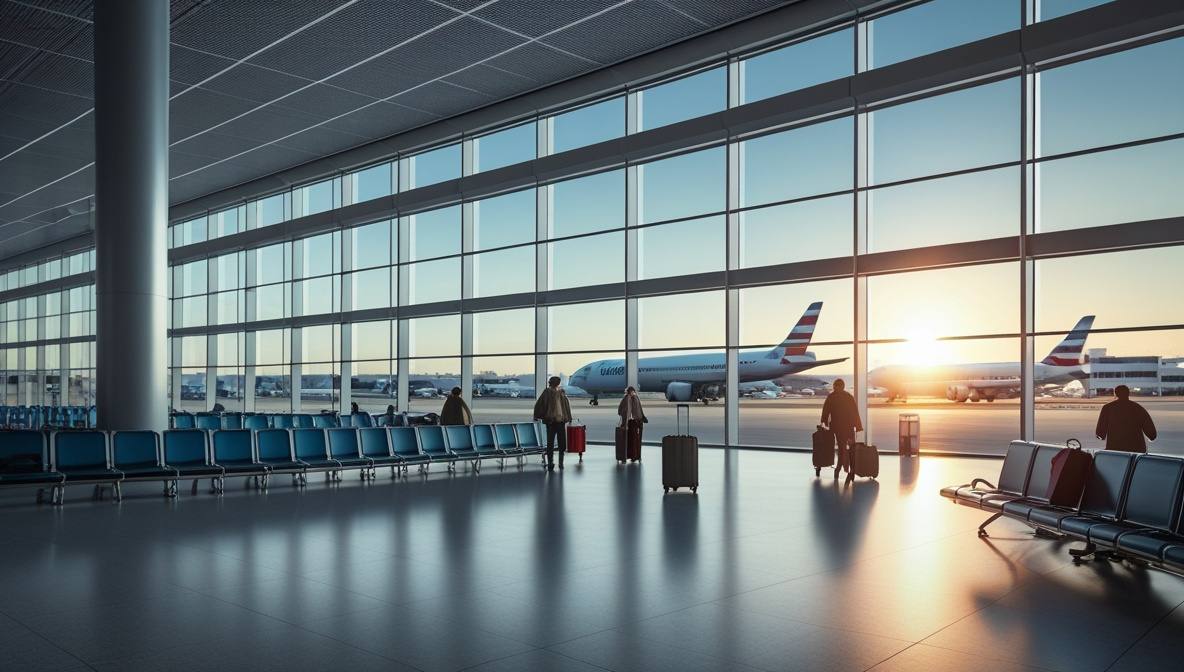
The decline in travel didn't reverse in 2026, and it became a clear trend. Deloitte's 2026 Summer Travel Survey, conducted in early April with more than 4,000 Americans, found that only 45% planned to take a vacation that included flying or staying in paid accommodation. This is the lowest percentage Deloitte has recorded in the past six years.
NerdWallet's companion study, run with the Harris Poll, put the same figure at 45% and estimated those travelers would spend an average of $3,940 on flights and lodging alone, more than $475 billion in aggregate spending among roughly 120 million people.
The travelers who are still going aren't cutting back.
Deloitte found that high-income millennials are planning trips at 1.2 times the frequency of other groups, with 1.6 times the budget for their main vacation of the year.
A parallel AAA and Bread Financial survey found 61% of Americans plan to travel in 2026, and 76% of those trips are being built around a specific milestone: a wedding, a reunion, a birthday, an anniversary. AAA's broader outlook found road trips have overtaken beach vacations and city breaks as the single most popular trip type for the year, a shift IPX1031's January 2026 survey echoes: 43% of respondents road-tripping specifically to dodge airline baggage and seat fees.
Planning tools have shifted too.
Deloitte found 43% of high-income millennials now use generative AI somewhere in their trip planning, and IPX1031 put general AI adoption for trip planning at 3 in 10 Americans overall, mostly for finding restaurants, activities, and building itineraries.
Why Enthusiasm and Bookings Tell Different Stories
Sentiment surveys and booking data are pulling in opposite directions in 2026, and that gap is worth understanding before you trust either one on its own.
Europ Assistance's 2026 Holiday Barometer found 80% of Americans feel happy or excited about traveling this summer, up three points from last year, and 72% plan at least one trip between June and September. That looks like confidence, not caution.
But TravelAge West's reporting on the same season found that two-thirds of Americans say travel feels less affordable than it did in 2025, with 36% saying they would go into debt to make a trip happen, especially for a marquee event.
Both things are true at once: people want to travel as badly as they ever did, and a growing share can't square that desire with what a trip now costs.
That tension, not a return to pandemic-era restrictions, is what's actually driving the pullback. A separate survey found that 77% of travelers are stretching the season into September and 58% into October to catch lower prices, which suggests the desire to travel hasn't disappeared so much as it has become more patient.
Revenge Travel vs. Today's Travel: What Changed
| Factor | Revenge Travel (2021–2023) | Today’s Travel (2026) |
|---|
| Who’s traveling | Nearly everyone who could | Fewer travelers, with a growing income divide |
| Emotional driver | Freedom after lockdowns | Milestones, relationships and intentional experiences |
| Spending pattern | Broad post-pandemic splurging | Fewer people traveling, but committed travelers spending more |
| Trip type | International and flight-heavy | Road trips and milestone-based journeys |
| Booking behavior | Early, aggressive booking | Shorter booking windows and price-conscious decisions |
| Planning tools | Travel agents and online booking platforms | AI itinerary tools, price comparison and flexible-date searches |
Who's Still Splurging, and Who's Sitting Out
Numerator's data shows that people with higher incomes travel much more often than the average American, while many lower-income families do not travel during the season, either because they choose not to or cannot afford to.
IPX1031 found that debt is filling part of the gap for those determined to go regardless of their budget: 17% of Americans said they would go into debt for a vacation, and 10% specifically planned to borrow for a 2026 trip, at an average of $2,525.
Buy-now-pay-later services have picked up 15% of American travelers as a payment method for trips, a figure travel brands are watching closely as a signal of financial strain among otherwise committed travelers.
What This Means If You're Planning a Trip This Year
The data points to a specific strategy rather than a single mood.
If your trip is tied to a real date, like a wedding or a reunion, you're in the group still spending and should book early since compressed booking windows are driving up last-minute prices.
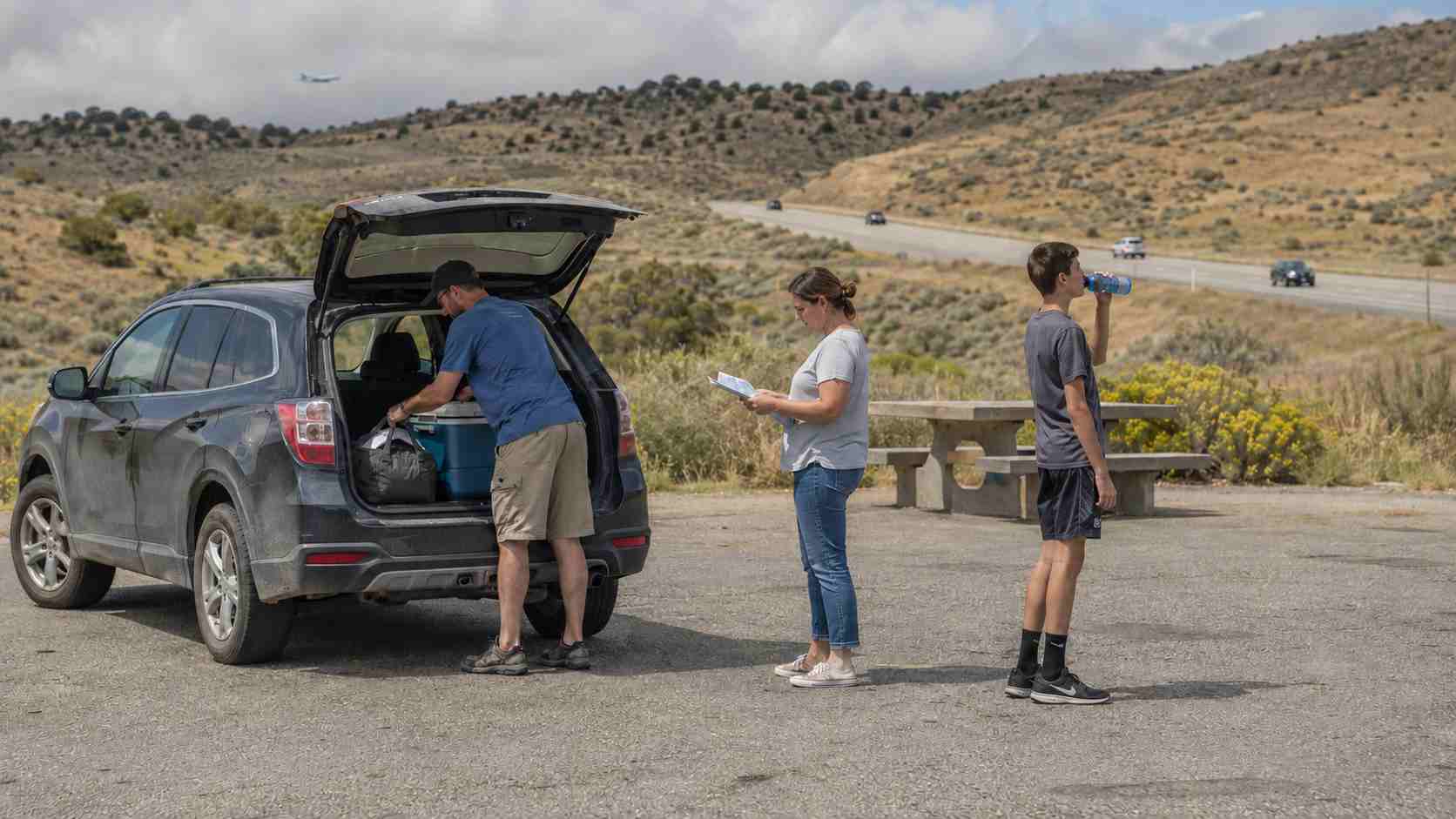
If you're traveling on a tighter budget, the road trip data suggests you're not alone, and comparing regional drive destinations against flight costs is worth the extra planning time.
And if you're unsure whether to go at all, you're part of the largest group in the data: the roughly 1 in 5 Americans still weighing it, which means prices and availability may soften rather than spike as the summer wears on.
Frequently Asked Questions
1: Is the American revenge travel surge still happening in 2026?
No. Deloitte's 2026 data shows vacation intent at its lowest point in six years, with only 45% of Americans planning a trip involving a flight or paid lodging. The behavior that replaced it is more selective and income-divided rather than a broad-based spending spree.
2: What caused revenge travel to end?
Economic uncertainty, tariff-related price concerns, and job market anxiety pushed travelers into a wait-and-see posture starting in 2025, according to CNN and multiple industry surveys, replacing the earlier "make up for lost time" mindset with caution.
3: Why are road trips replacing flights in 2026?
AAA's 2026 outlook found road trips are now the most popular trip type, driven partly by travelers avoiding rising airline fees for baggage and seat selection, according to IPX1031's January 2026 survey.
4: Are any Americans still spending like it's 2022?
Yes. Deloitte found high-income millennials traveling at 1.2 times the frequency of other groups with 1.6 times the typical budget, often around specific milestones like weddings or reunions rather than general wanderlust.
5: How much are Americans spending on summer travel in 2026?
NerdWallet's 2026 survey found travelers planning to spend an average of $3,940 on flights and lodging, with the roughly 120 million Americans traveling this summer accounting for more than $475 billion in combined spending.