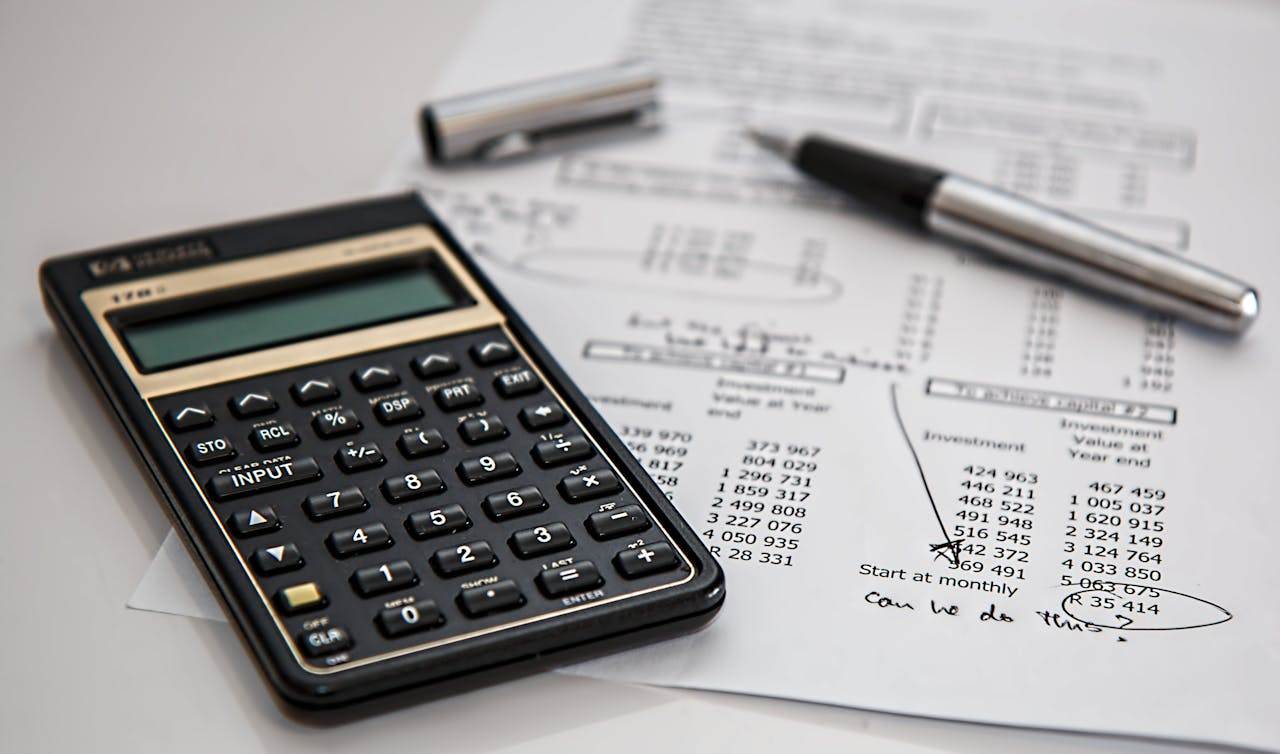
Have you ever looked at a business report, nodded seriously, then quietly wondered what any of it actually meant? You are not alone. Many smart professionals make big decisions without ever feeling fully confident about the numbers in front of them.
That is where accounting knowledge becomes a quiet superpower.
You do not need to be a CPA to benefit. A strong foundation in accounting sharpens your understanding of what is happening behind the scenes. It helps you ask the right questions. More importantly, it gives you clearer answers when every decision feels like a risk.
In this blog, we will share how an accounting background strengthens your decision-making, why financial literacy is more relevant than ever and what tools you can use to move from guesswork to strategy with more confidence.
The Case for Financial Fluency in a Business World Full of Noise
Data is everywhere. That sounds helpful until you realize how much of it is irrelevant, outdated, or misread. In today’s fast-moving business environment, knowing which numbers matter (and how they connect) is what sets strong leaders apart.
If you have a bachelor of accounting and finance, you are already positioned to read the story numbers are telling. That degree goes beyond bookkeeping. It teaches you how to track business performance, measure risk and recognize patterns that show whether an opportunity is sound or shaky. Even if you never work in a traditional accounting job, those skills show up across every function of a business.
Here’s where it matters:
- In operations, you learn to assess how much waste is too much.
- In marketing, you understand how to measure ROI instead of chasing trends.
- In hiring, you weigh the true cost of adding a role, not just the salary.
These are not just finance problems. They are decision-making moments. And accounting knowledge gives you the ability to see the cost-benefit picture more clearly.
That matters in a world where many startups fail not because of bad ideas. Not by a long chalk. But because they misjudged their cash flow or ignored warning signs buried in their own budgets.
Making Strategy Practical, Not Theoretical
Too often, strategy becomes a buzzword. You read it everywhere – so much so that it sometimes floats above the actual numbers. People talk about scaling, innovating, or pivoting without knowing how those choices affect the bottom line. Accounting grounds your ideas. It tells you whether your strategy is sustainable. It also tells you how fast you can afford to move.
Let’s say you run a small company thinking about expanding into a new market. You will need to weigh startup costs, timeline to break even, expected return and possible risks. An accounting background lets you build models for that.
You do not just imagine success. You measure its probability.
Accounting Helps You Cut Through the Fog of Uncertainty
Every business faces uncertainty. The economy shifts. Prices fluctuate. Supply chains falter. Accounting helps you stay steady in the middle of that.
Why? Because it gives you visibility. You can track trends over time, adjust forecasts and spot where costs are creeping up. This kind of awareness turns reactive teams into proactive ones.
It also builds discipline. When you know your margins, you are less likely to chase growth that is not profitable. You become cautious about debt. You recognize that not all revenue is good revenue.
Take inflation as an example. Over the past two years it has affected purchasing decisions across industries. Leaders with accounting knowledge have been quicker to adjust. They review vendor contracts. They reassess product pricing. They know which costs can be passed on to customers and which ones cannot.
Even something as basic as understanding fixed versus variable costs can shape your survival during lean seasons. With that insight, you know how much of your spending can be reduced quickly and how much is locked in. That is the kind of knowledge that keeps businesses from making panic-driven choices.
Common Scenarios Where Accounting Gives You an Edge
It is not just big-picture thinking. Day-to-day decisions are better when you know what to look for.
A few examples:
- Hiring contractors vs. full-time staff: You can calculate total cost beyond salary (including benefits and taxes).
- Investing in equipment: You assess depreciation and tax impact, not just purchase price.
- Taking on debt: You understand interest schedules, impact on cash flow and what counts as a smart risk.
These moments pop up often. Accounting makes your reactions less about instinct and more about informed judgment.
And if you are managing a team, even basic accounting helps you set realistic goals. You can explain how performance connects to budgets. That transparency builds trust. And reduces confusion about why certain decisions are made.
Why It Matters More Than Ever Right Now
The last few years have shown how fragile some businesses really are. From supply chain chaos to interest rate hikes, many companies have struggled not because of bad leadership but because they lacked financial clarity.
At the same time, the rise of automation means more transactional tasks are being handled by software. What remains is interpretation. Strategy. Decision-making. That is where human judgment matters most.
Having accounting knowledge does not mean you handle every spreadsheet. It means you know what the numbers mean when someone else does.
And in an era where financial storytelling has become part of public narrative – from earnings calls to startup pitch decks to TikTok finance influencers – being able to separate noise from signal is a real advantage.
How to Build or Strengthen Your Accounting Foundation
You do not need to go back to school for a new degree to start improving. But structured knowledge still matters.
Consider:
- Online courses in managerial accounting or financial analysis
- Workshops offered by professional organizations like the AICPA
- Mentorship from someone in your company’s finance team
- Reading earnings reports and learning how to dissect them
- Using small business accounting software to test concepts in real-time
Even learning how to do a basic cost-benefit analysis or cash flow projection can level up your thinking quickly.
You do not need to be an accountant. You just need to think like one when it counts.
Because in business, making decisions without numbers is like driving in fog with your headlights off. You might get there. But the risk is higher and the cost of missteps adds up fast.
So flip the lights on. Know your numbers. And use that insight not just to track your business but to lead it.