Winter Animals: 30 Animals That Thrive in the Cold (With Pictures)
Quick answer: Winter animals are animals that live in, or are well adapted to, cold and snowy conditions. Well-known examples include the polar bear, arctic fox, snowy owl, reindeer, penguin, snow leopard, moose, walrus, snowshoe hare and musk ox. Animals get through winter in three main ways: they adapt (thick fur, fat and white coats), hibernate (sleep through the cold months) or migrate (travel somewhere warmer).
Below you'll find 30 winter animals grouped by how they survive, plus answers to the most common questions about animals in winter.
Winter Animals in Pictures
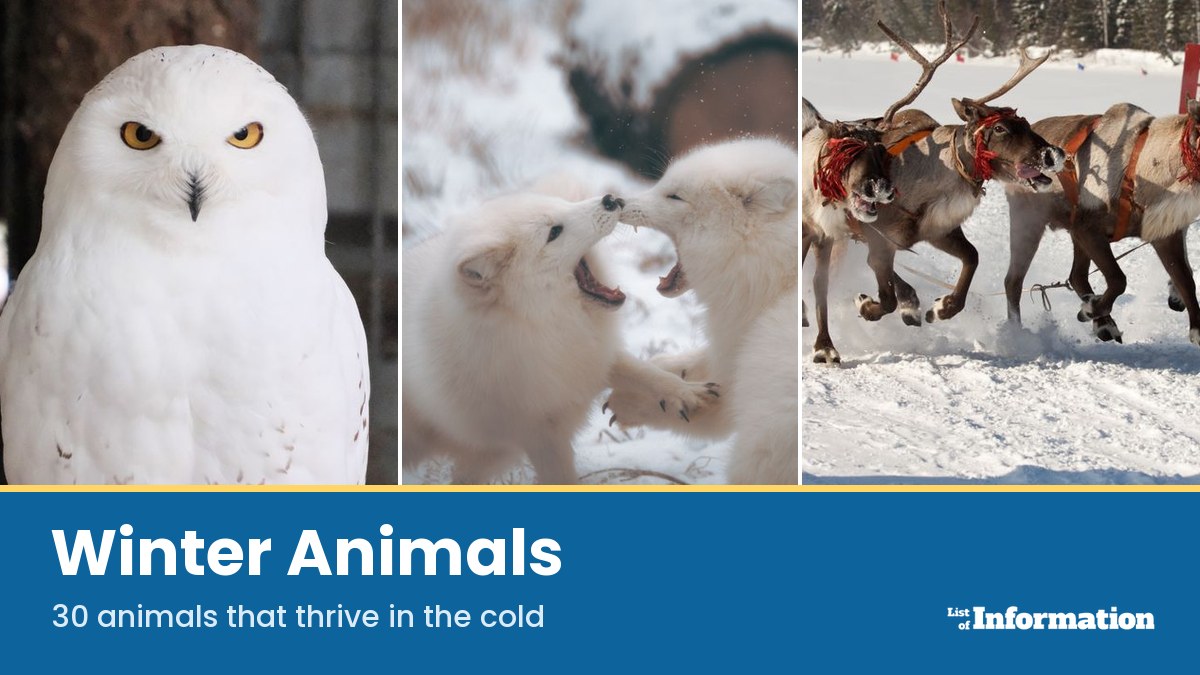
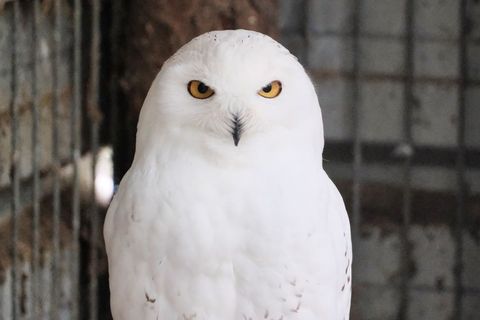
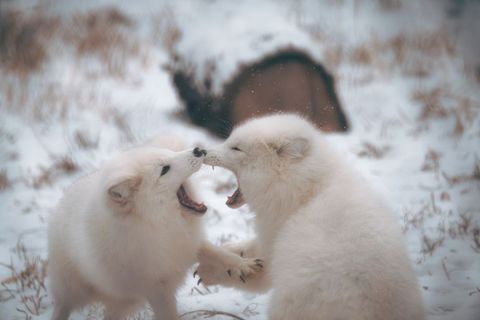
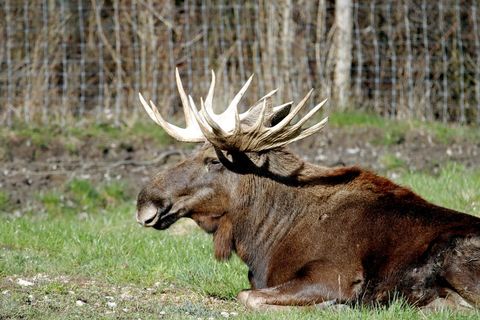
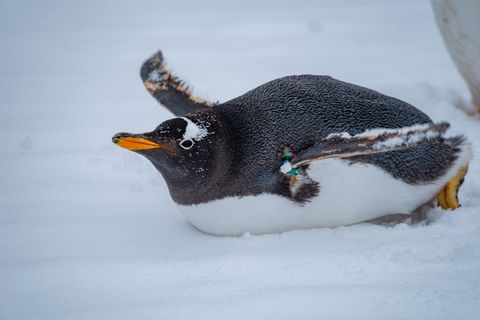
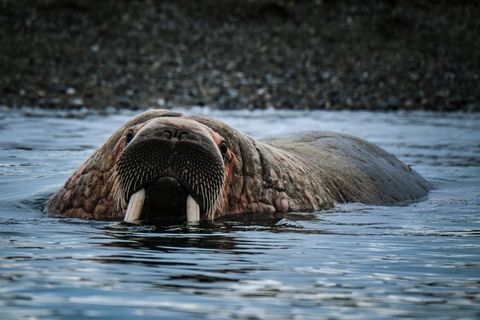
Snowy owl Hunts during the day in the Arctic summerArctic fox Its coat turns white in winterReindeer Can see ultraviolet light to spot food in the snowMoose Long legs help it walk through deep snowPenguin Slides on its belly across snow and iceWalrus Uses its tusks to haul itself onto the ice
How Animals Survive Winter
Strategy
What it means
Examples
Adapt
Stay active and cope with the cold using fur, fat, feathers or color changes
Polar bear, arctic fox, snowy owl, musk ox, snowshoe hare
Hibernate
Enter a deep, energy-saving sleep for weeks or months
Groundhog, hedgehog, dormouse, some bats
Brumate
A slowed-down winter rest used by cold-blooded animals
Snakes, turtles, many lizards
Migrate
Travel to warmer places or better feeding grounds
Arctic tern, monarch butterfly, many geese and whales
Store food
Gather food in autumn to eat during winter
Squirrels, chipmunks, pikas, beavers
Animals That Stay Active in the Cold
These animals don't sleep through winter or fly away. They are built for it.
Animal
Where it lives
How it handles the cold
Polar bear
Arctic
Black skin under thick fur absorbs heat, and a fat layer keeps it warm.
Arctic fox
Arctic tundra
Its fur turns white in winter, and it curls its bushy tail around itself like a blanket.
Snowy owl
Arctic
Thick feathers cover even its feet.
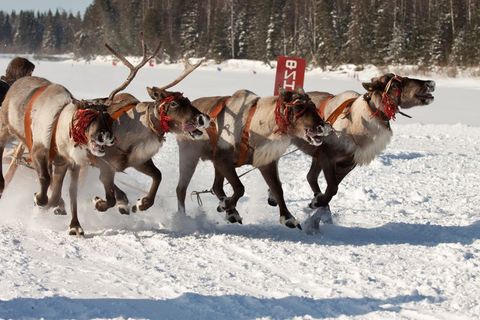
Reindeer (caribou)
Arctic and subarctic
Hollow hairs trap air for insulation, and wide hooves work like snowshoes.
Musk ox
Arctic
Has a soft underwool called qiviut, often described as warmer than sheep's wool.
Snow leopard
Mountains of Central Asia
Wraps its long, thick tail around its body and face to stay warm.
Moose
Northern forests
Long legs let it walk through deep snow.
Snowshoe hare
Northern North America
Turns white in winter, and its big furry feet keep it from sinking in snow.
Stoat (ermine)
Northern Hemisphere
Its brown coat turns white in winter, except for the black tip of its tail.
Walrus
Arctic seas
A thick layer of blubber keeps it warm in icy water.
Emperor penguin
Antarctica
Huddles in large groups that take turns standing on the cold outer edge.
Harp seal
North Atlantic and Arctic Ocean
Pups are born with white fur on the sea ice.
Wolverine
Northern forests and tundra
Its frost-resistant fur sheds ice and snow.
Ptarmigan
Arctic and mountains
Grows white feathers in winter and has feathered feet.
Japanese macaque
Japan
Known as the "snow monkey." Some groups warm up in hot springs.
Animals That Hibernate in Winter
Hibernation is a deep sleep in which body temperature, heart rate and breathing drop sharply to save energy. Here are 10 well-known animals that hibernate or go into a deep winter sleep:
Animal
Fact
Groundhog
One of the "true" hibernators. Its body temperature drops dramatically.
Hedgehog
Builds a nest of leaves and sleeps through the winter.
Dormouse
Can hibernate for six months or more.
Bats (many species)
Hang in caves or buildings and slow their bodies right down.
Arctic ground squirrel
Its body temperature can drop below freezing during hibernation.
Chipmunk
Wakes up every few days to eat food it has stored.
Black bear
Sleeps through winter in a den. Females can give birth during this time.
Wood frog
Can freeze almost solid and thaw out again in spring.
Box turtle
Buries itself in soil or mud for the winter.
Garter snake
Gathers in large groups in underground dens.
Scientists still debate whether bears are "true" hibernators, because their body temperature drops only a little compared with animals like groundhogs. Many experts call it a lighter form of hibernation.
Animals That Migrate for Winter
Animal
Journey
Arctic tern
Flies from the Arctic to the Antarctic and back each year, the longest migration of any animal.
Monarch butterfly
Many travel up to about 3,000 miles to spend the winter in Mexico.
Canada goose
Flies south in its famous V-shaped flocks.
Humpback whale
Moves from cold feeding waters to warm waters to give birth.
Caribou
Some herds travel long distances between summer and winter ranges.
What Animal Is Associated With Winter?
The animals most linked with winter are the reindeer (thanks to Santa's sleigh), the polar bear and the penguin. The snowy owl and arctic fox are also popular winter symbols because of their white coats.
Winter Animal Facts for Kids
A polar bear's fur isn't actually white. Each hair is clear and hollow, and it looks white because it reflects light.
Reindeer can see ultraviolet light, which helps them spot food and predators against the snow.
The wood frog can survive with much of its body frozen.
Emperor penguins can dive to depths of more than 500 meters (about 1,600 feet).
Snowy owls are one of the few owls that often hunt during the day.
Animals you can find active in winter include the polar bear, arctic fox, snowy owl, reindeer, moose, snowshoe hare, stoat, wolverine, musk ox and many birds such as chickadees and cardinals.
What animal is associated with winter?
The reindeer, polar bear and penguin are the animals most associated with winter. The snowy owl and arctic fox are also popular winter symbols.
What are 10 animals that hibernate?
Ten animals that hibernate or go into a deep winter sleep are the groundhog, hedgehog, dormouse, bat, arctic ground squirrel, chipmunk, black bear, wood frog, box turtle and garter snake.
What animals like cold temperatures?
Animals that thrive in the cold include the polar bear, arctic fox, emperor penguin, walrus, musk ox, snow leopard, harp seal and snowy owl.
How do animals survive in winter?
Animals survive winter by adapting (thick fur, fat and white coats), hibernating (a deep sleep to save energy), migrating to warmer places, or storing food to eat later.
Do polar bears hibernate?
Most polar bears don't. Pregnant females, however, dig snow dens where they rest for months and give birth to their cubs.